Medical Equipment Integration Guide
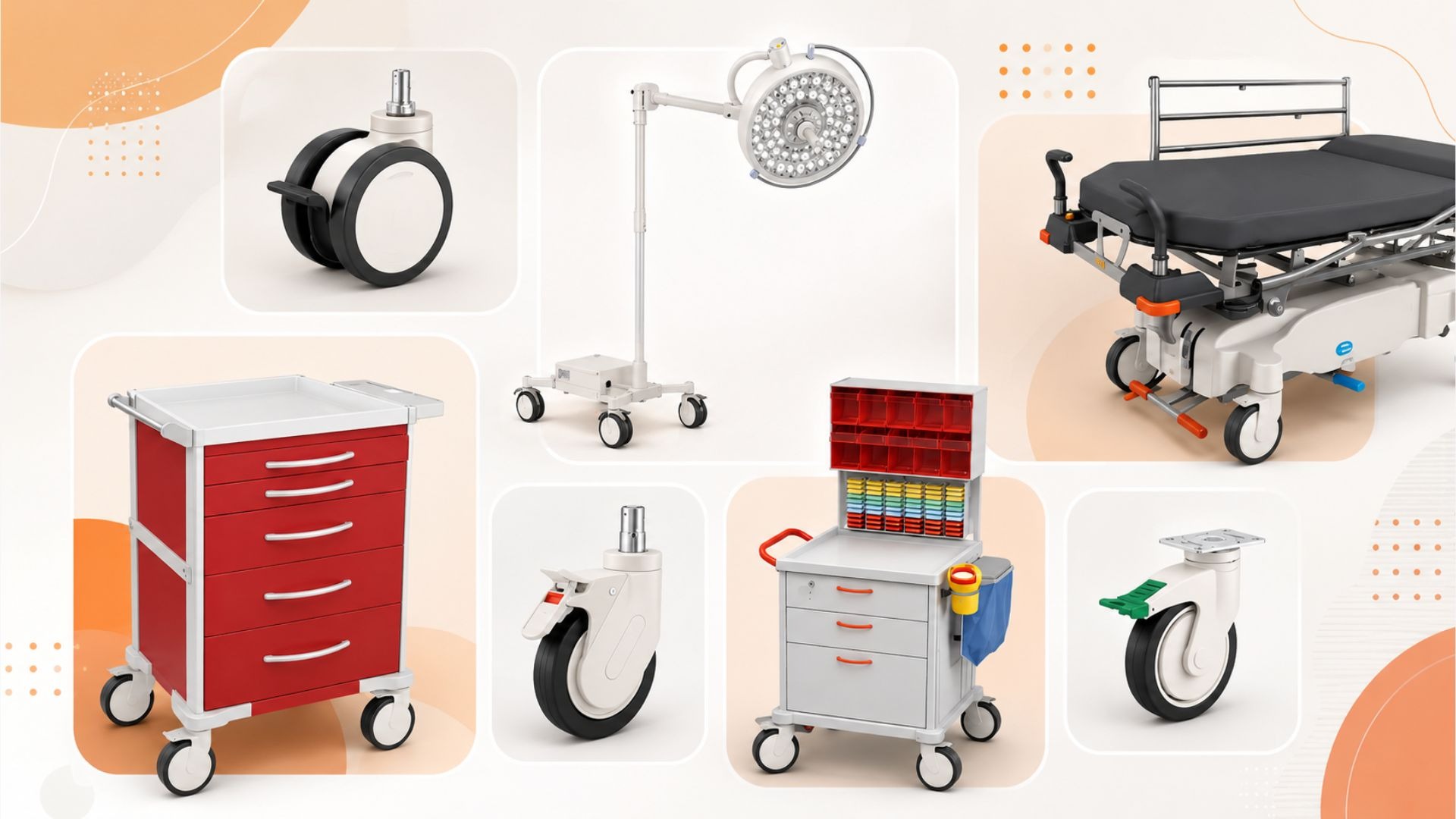
Connects medical caster families with hospital beds, stretchers, carts and other healthcare equipment contexts.
 Engineering
HAION official knowledge mapped
A structured gateway to HAION's public engineering articles—organized by equipment context, system question and the next useful design decision.
Start here
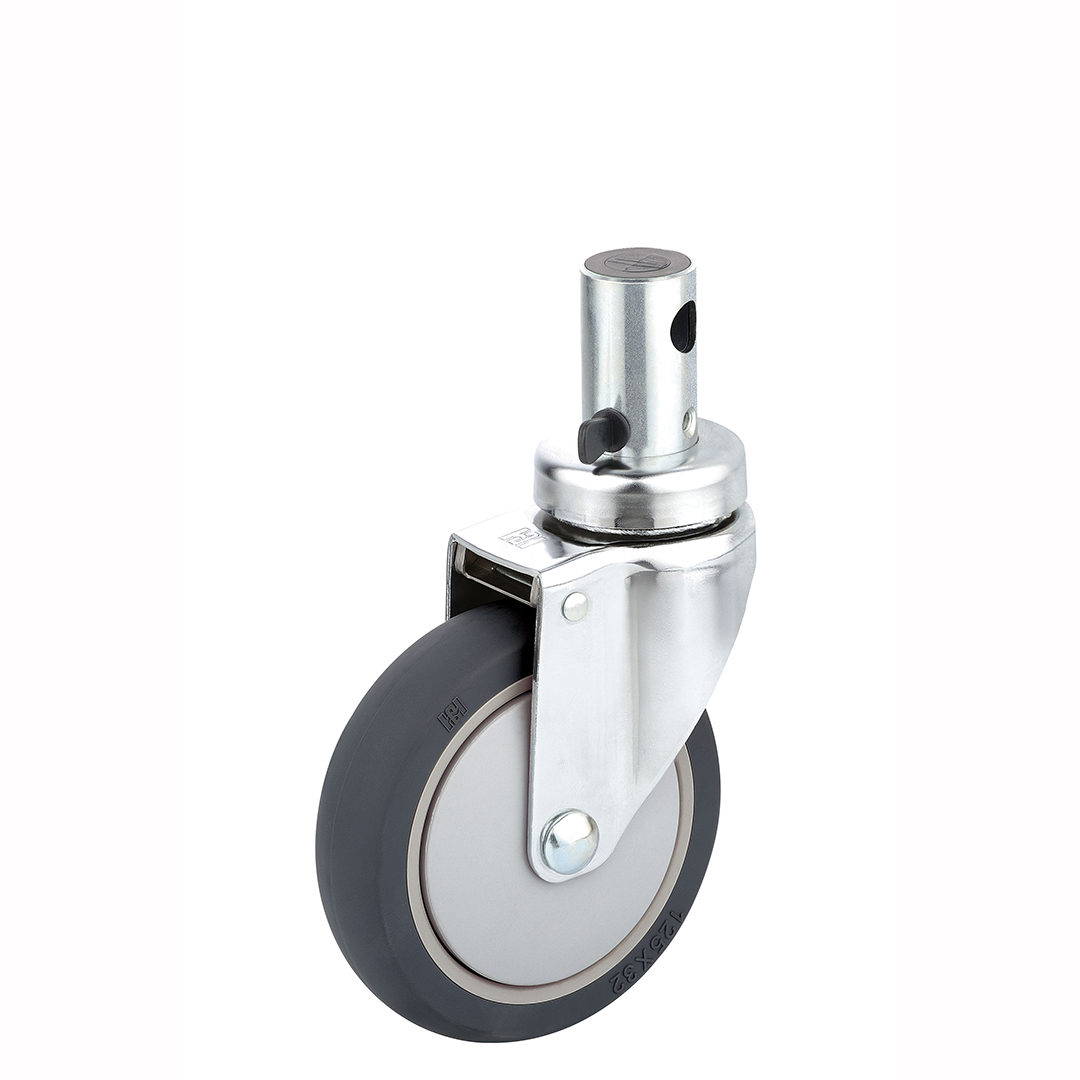
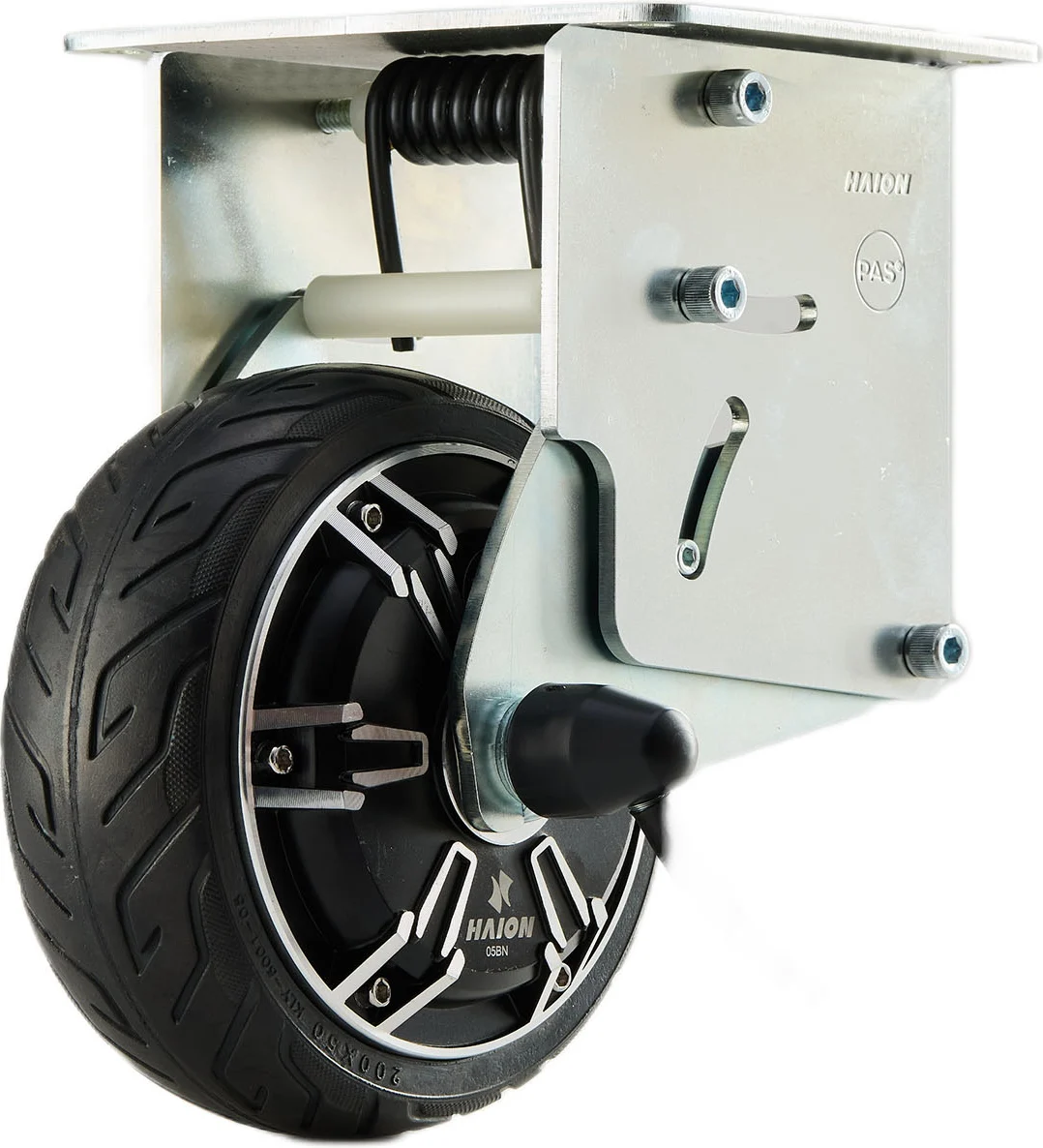
These three articles connect physical caster products to equipment integration, powered motion and conservative load thinking.
Connects medical caster families with hospital beds, stretchers, carts and other healthcare equipment contexts.
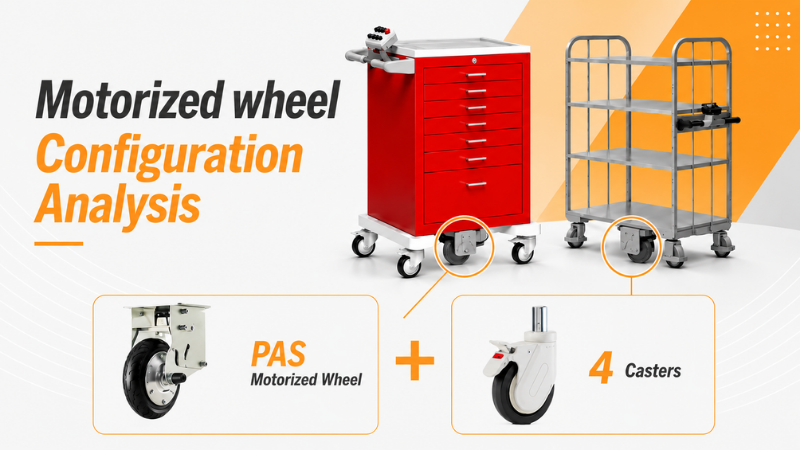
Explains how one powered-assist unit can work with conventional support casters in a material-handling cart layout.
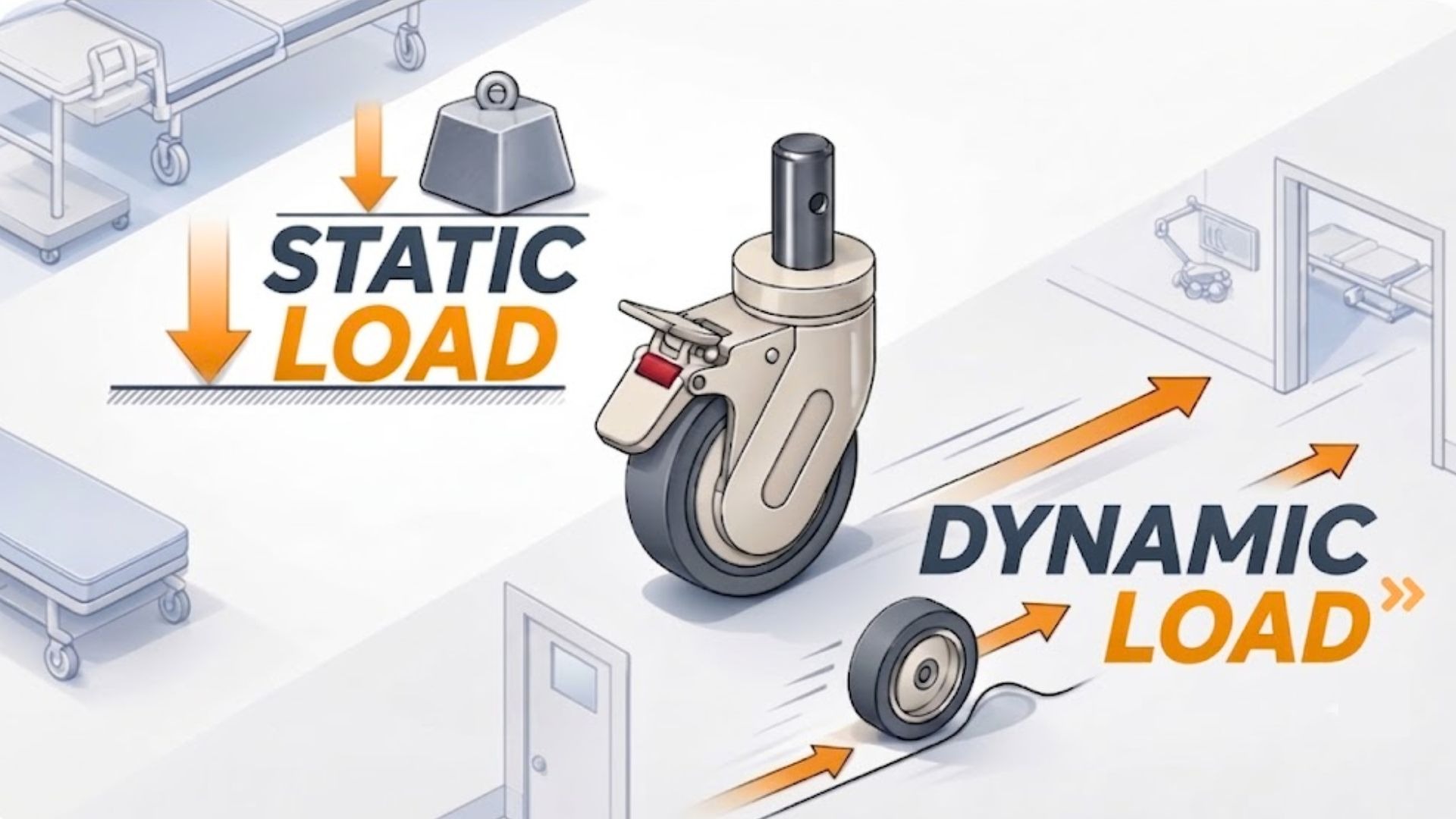
Distinguishes stationary loading from loaded movement and explains why installed load distribution needs a conservative model.
Hospital beds, braking, load, installation, hygiene and specialized clinical equipment.
Connects medical caster families with hospital beds, stretchers, carts and other healthcare equipment contexts.
Distinguishes stationary loading from loaded movement and explains why installed load distribution needs a conservative model.
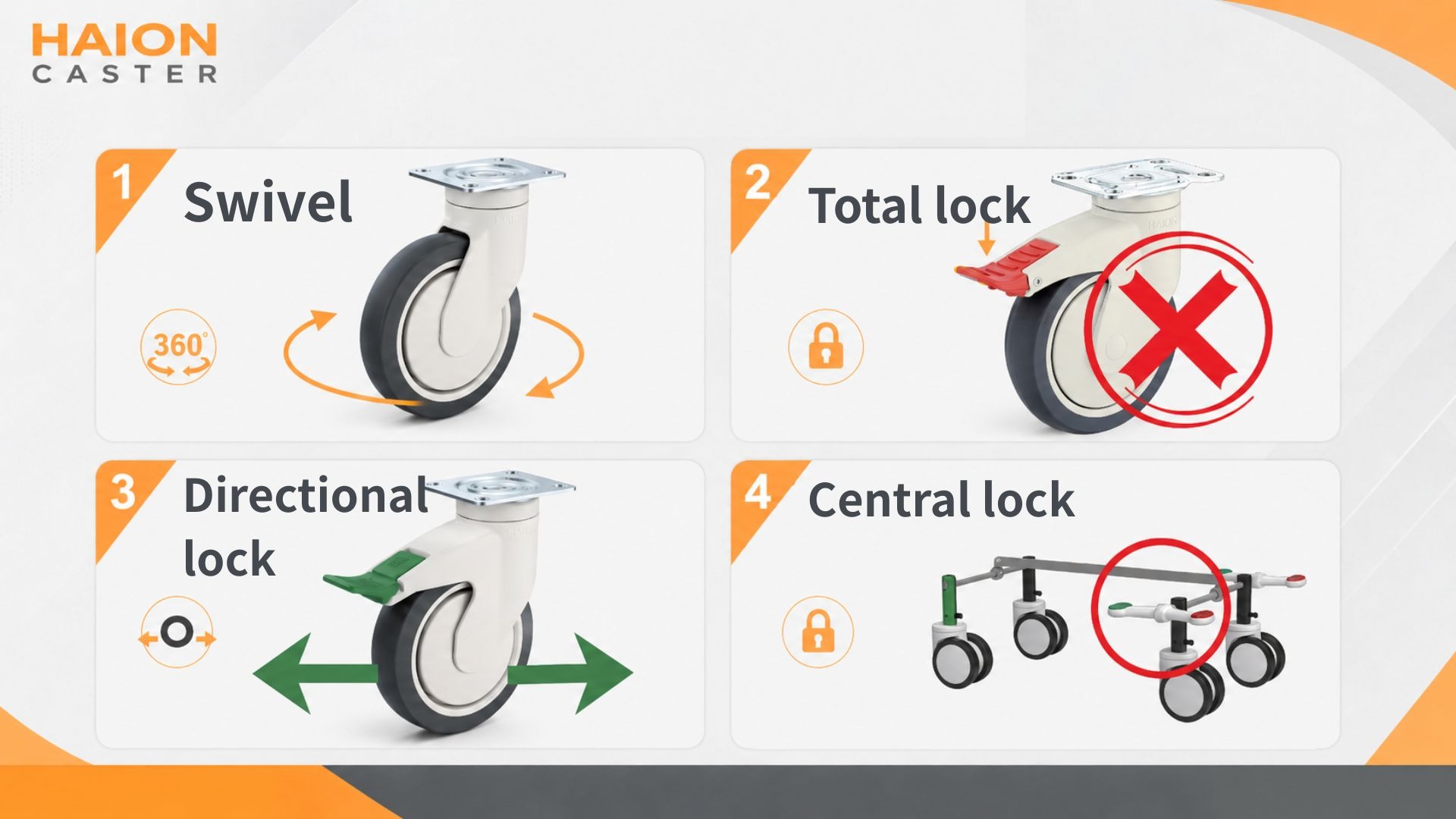
Organizes free swivel, individual braking, directional control and linked hospital-bed control as different operating functions.
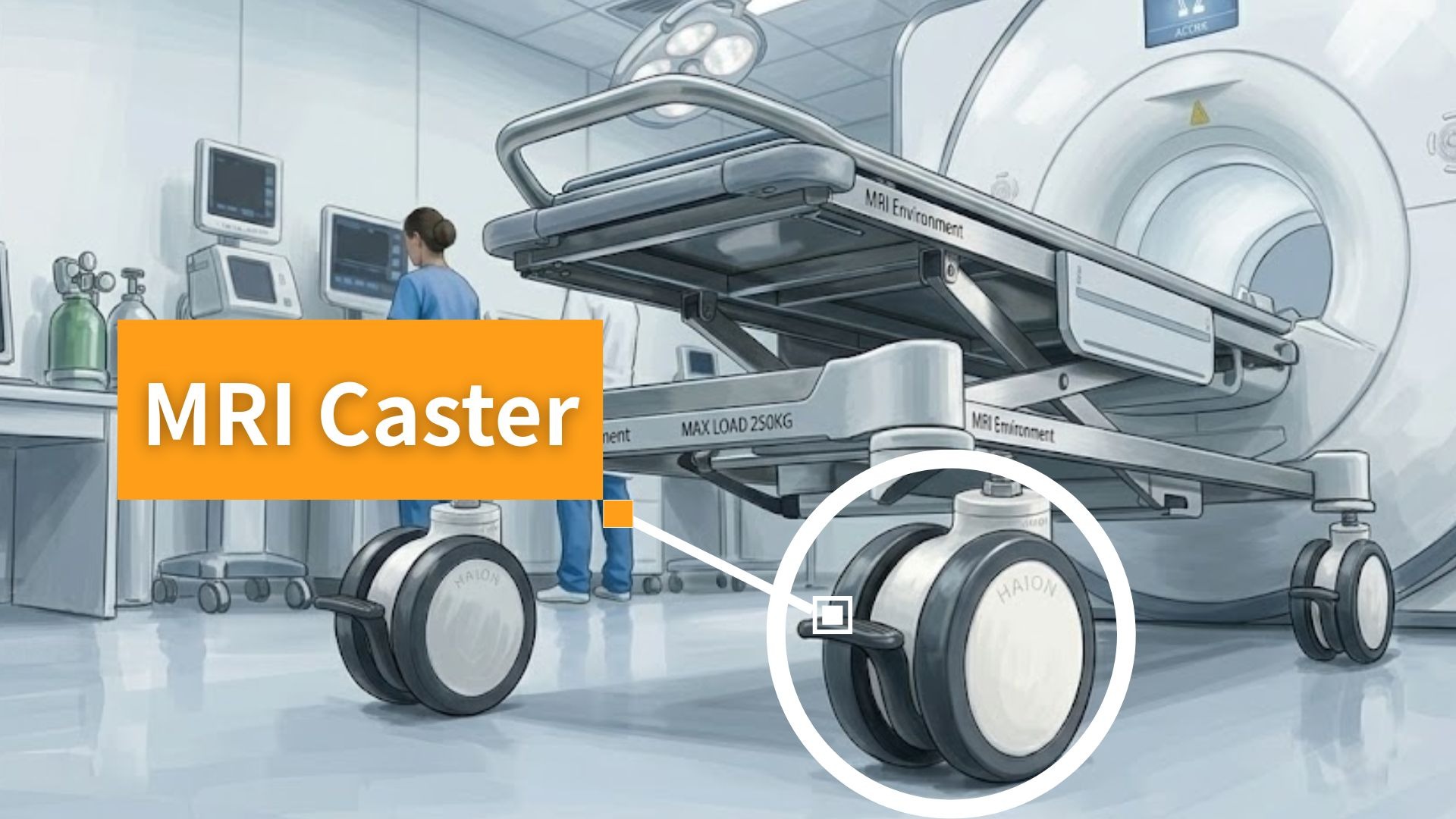
Introduces material and bearing considerations for casters used around high magnetic fields.
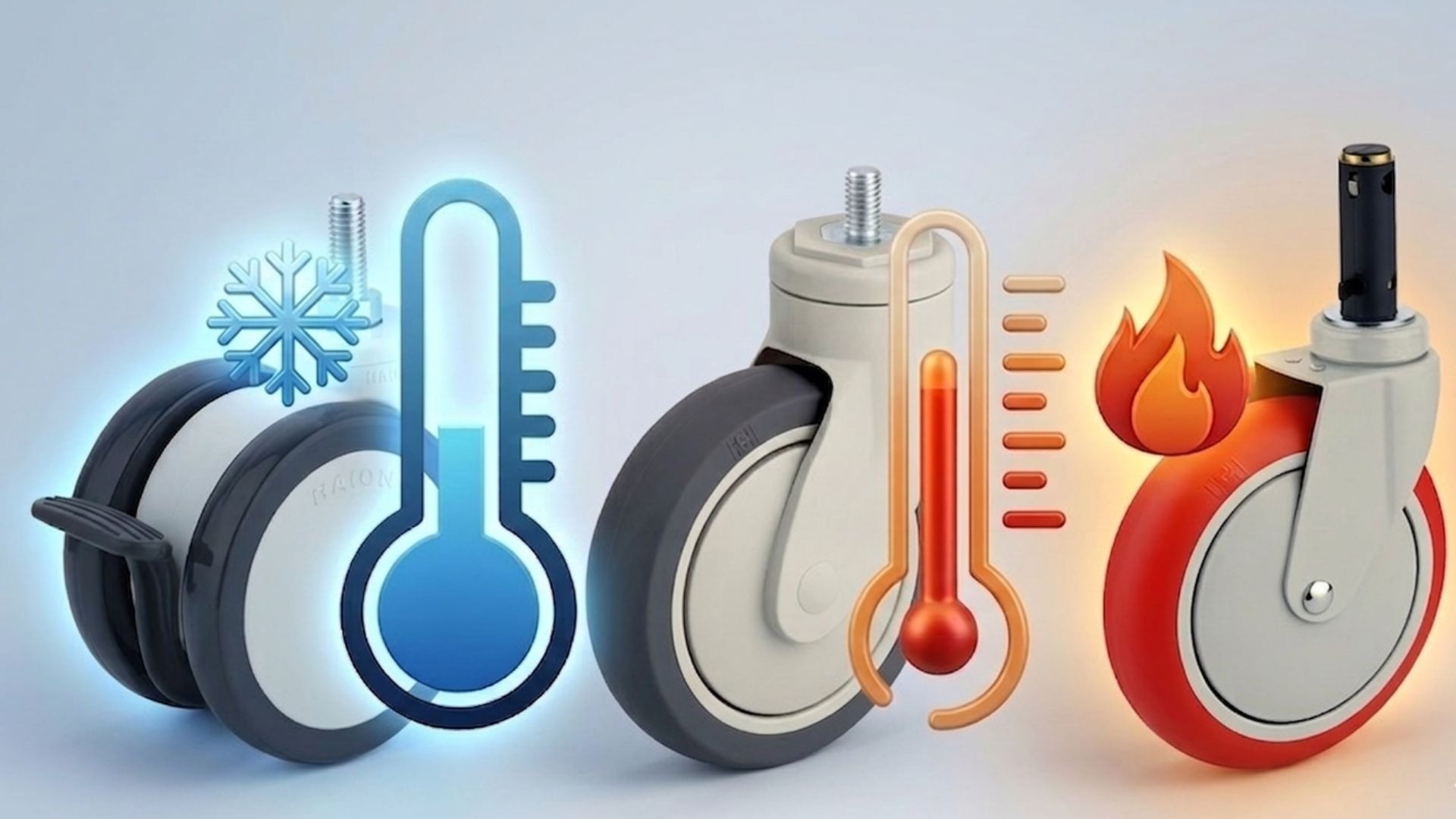
Highlights temperature exposure as a material-selection boundary for medical mobility components.
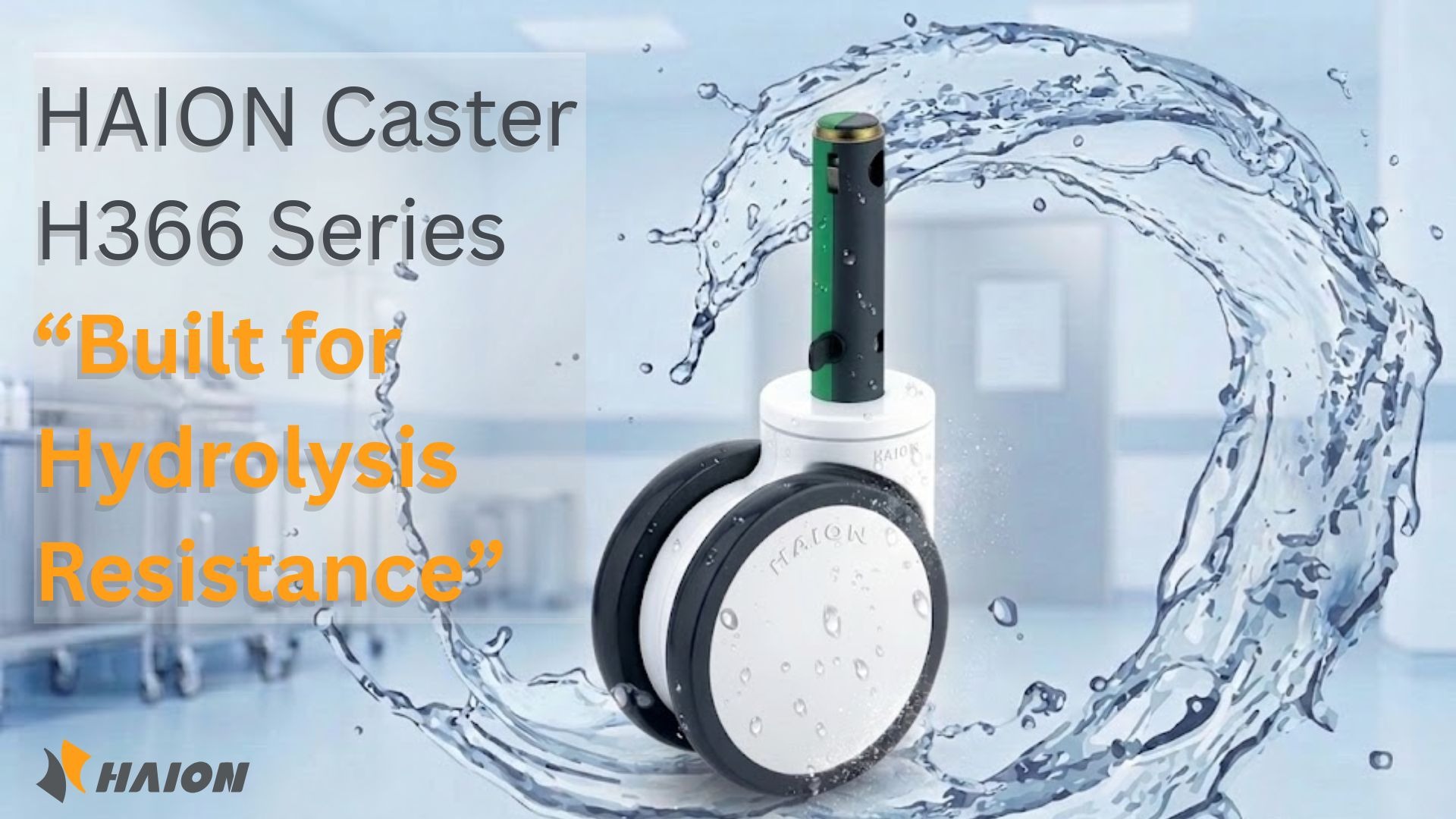
Presents washable-caster design questions for clinical cleaning and repeated disinfection environments.
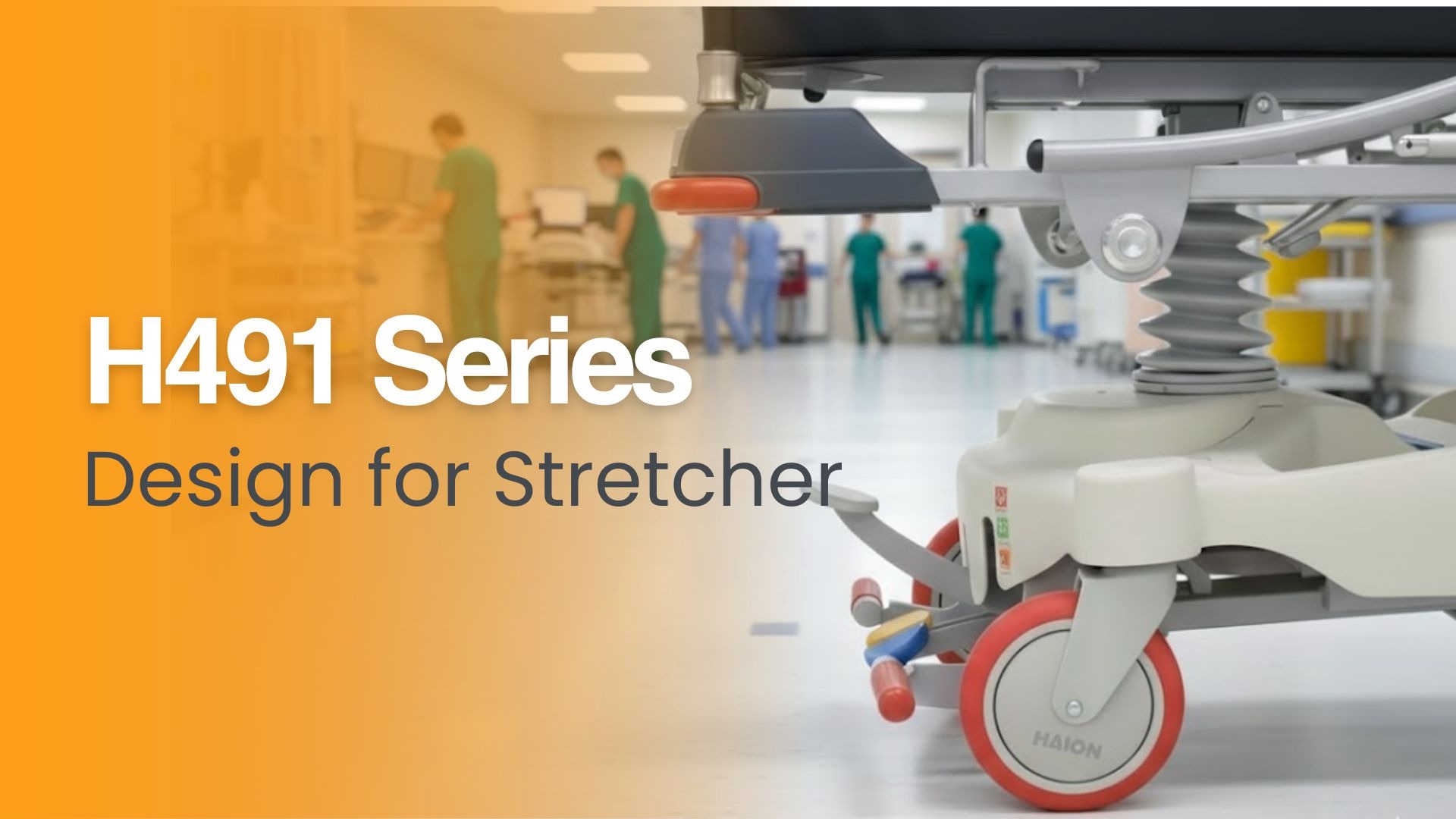
Connects stretcher maneuvering, transport frequency and clinical workflow to caster selection.
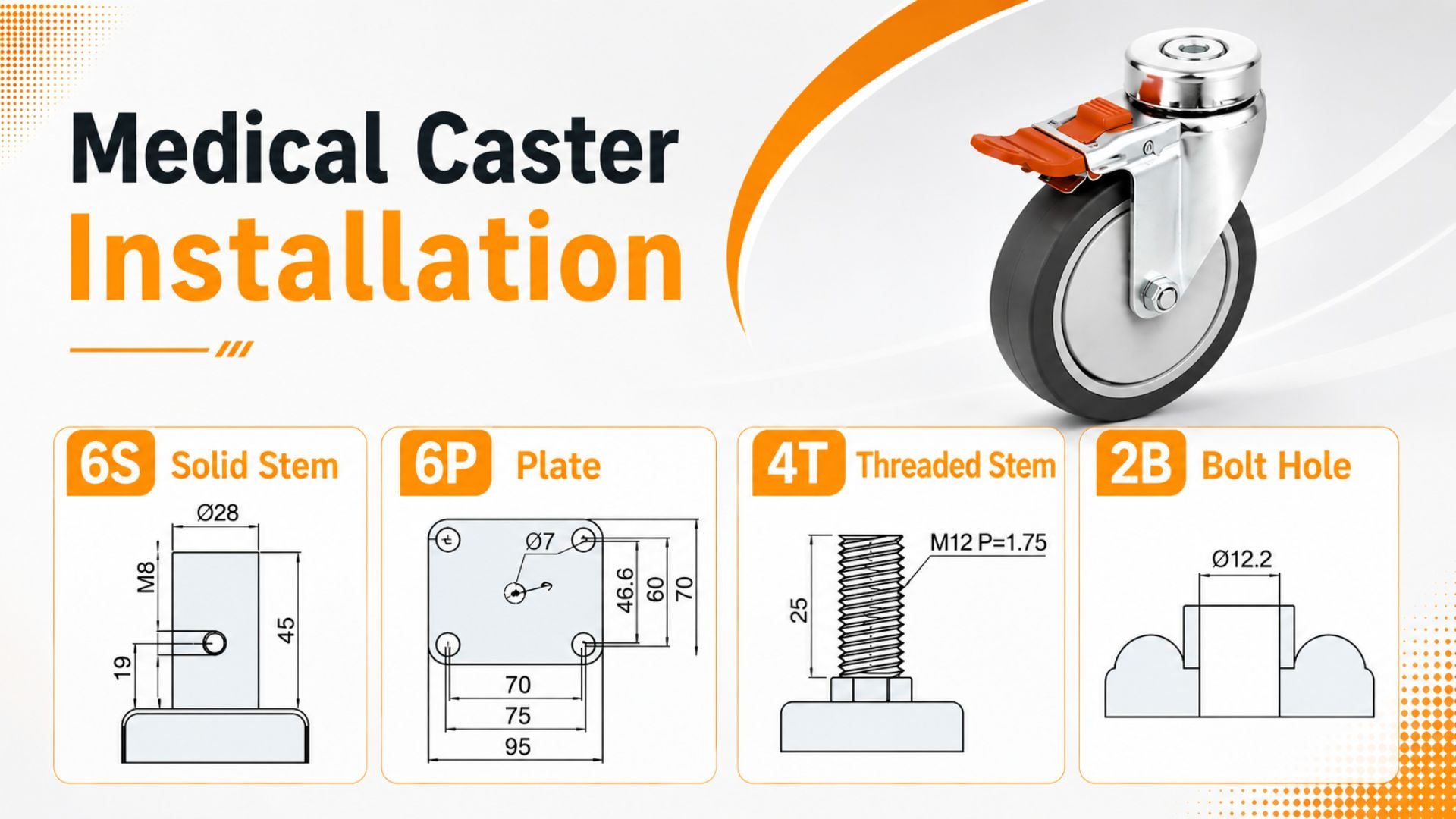
Maps common mounting approaches to medical equipment geometry, security and service requirements.
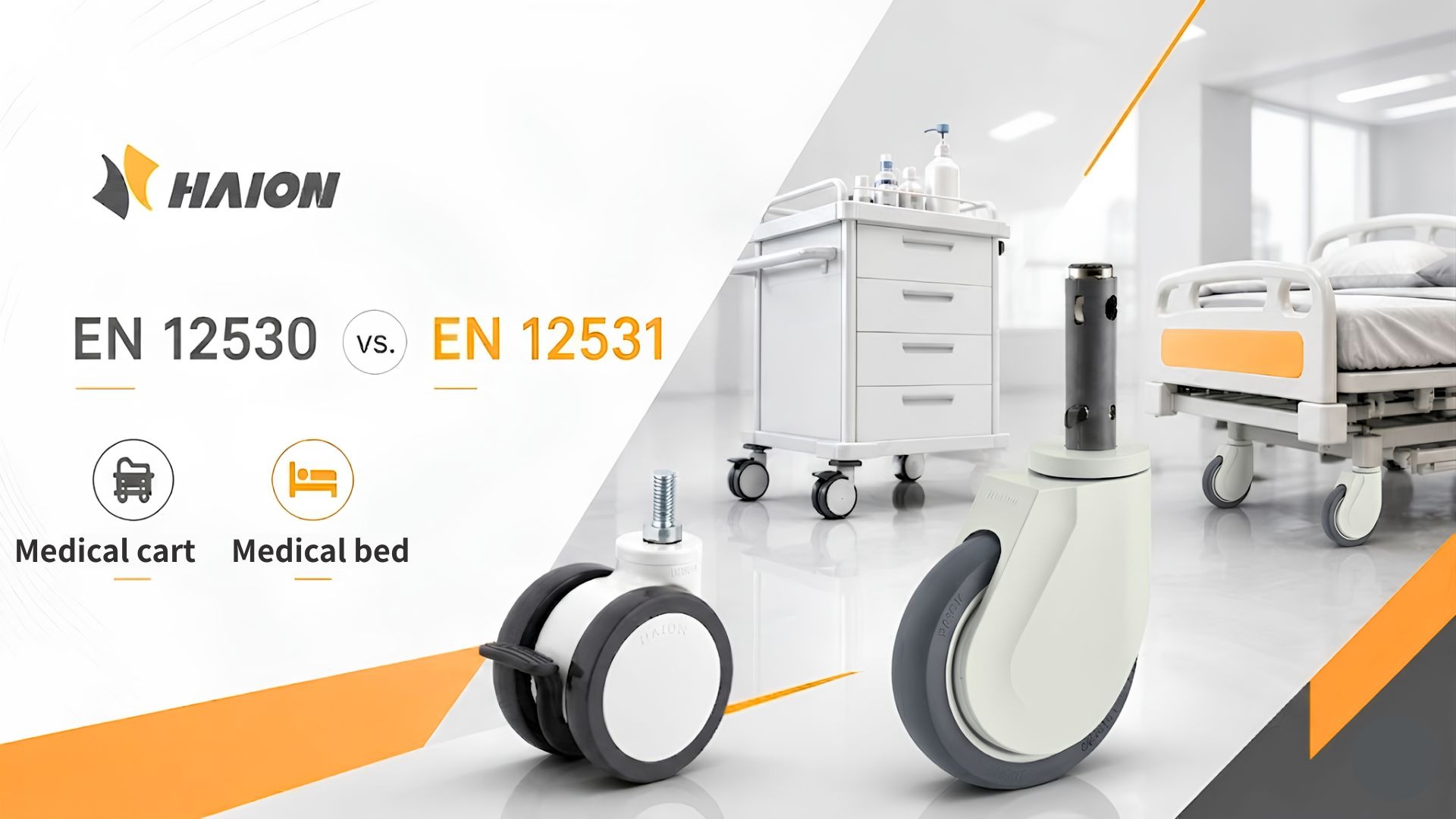
Introduces the different scopes of two European caster standards while directing readers to current controlled documents.
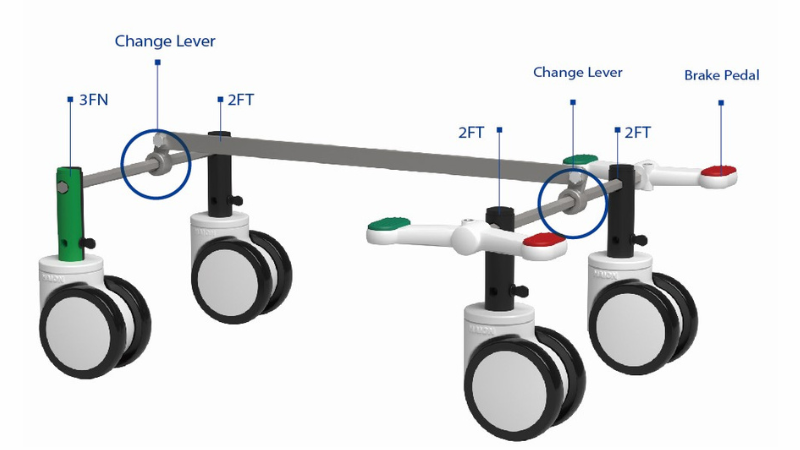
Explains hospital-bed caster layouts, linked actuation and the importance of the central-locking stem interface.
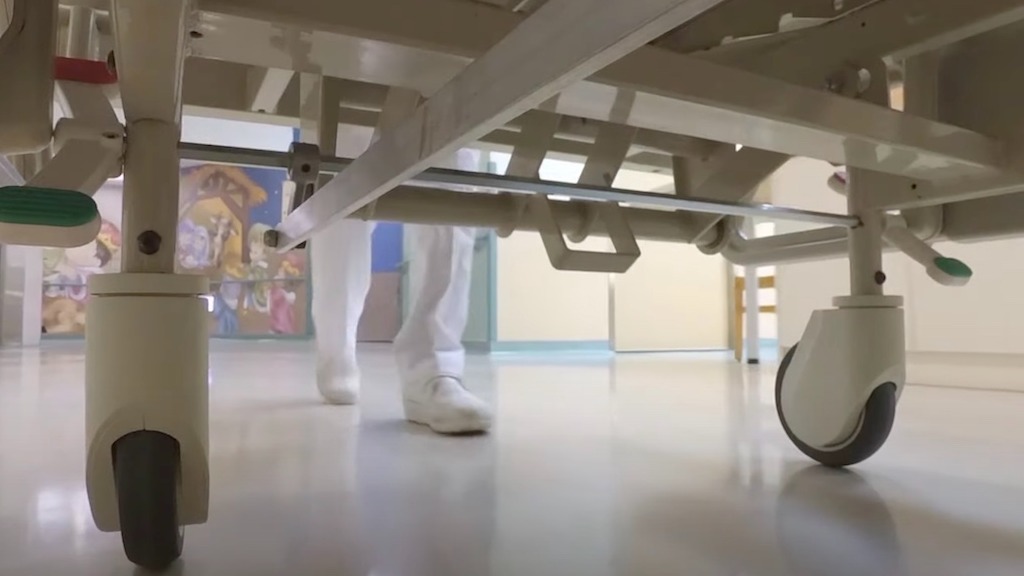
Reviews durability, quiet movement, safety, cleanability and other medical mobility requirements.
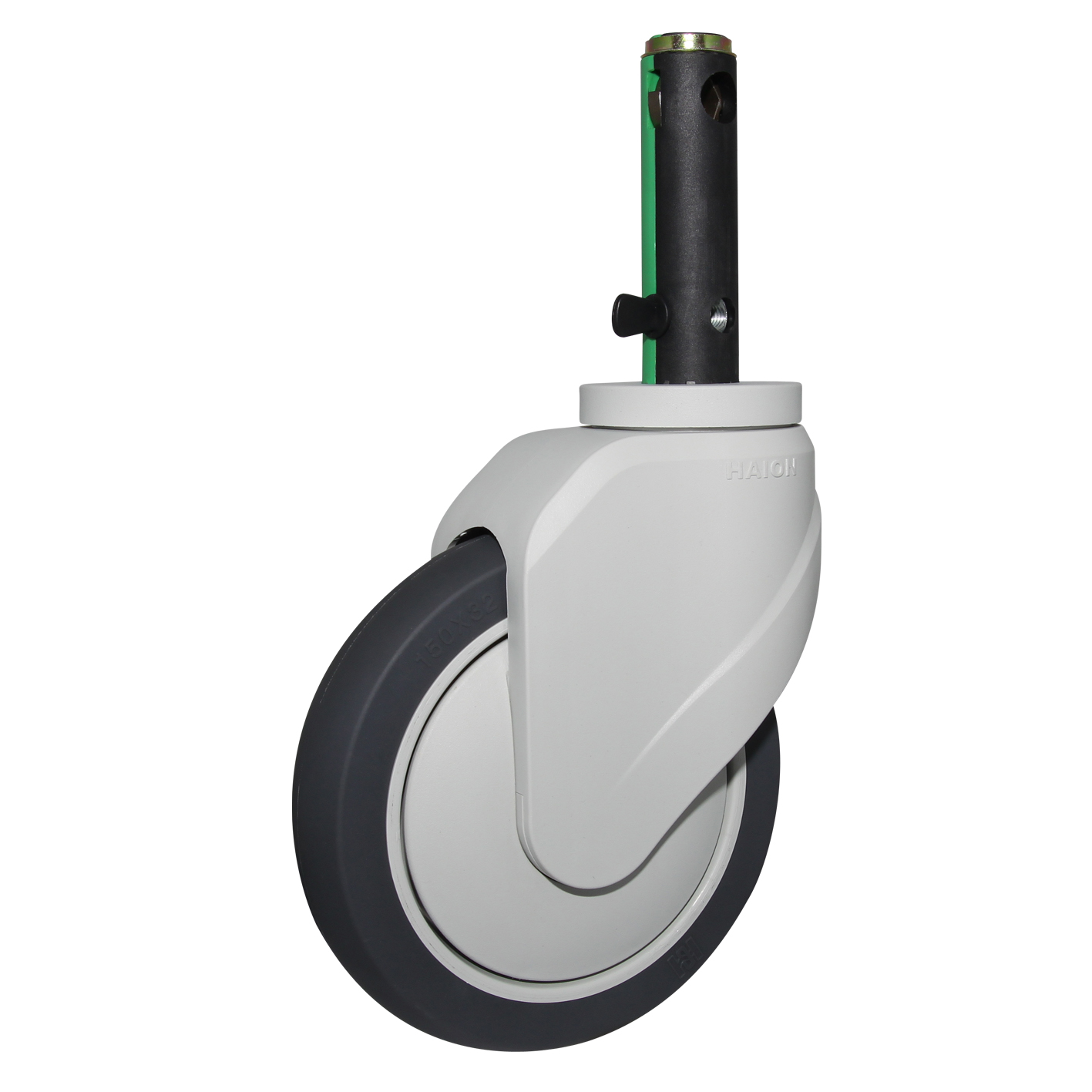
Introduces linked caster control as a hospital-bed mobility and braking function.
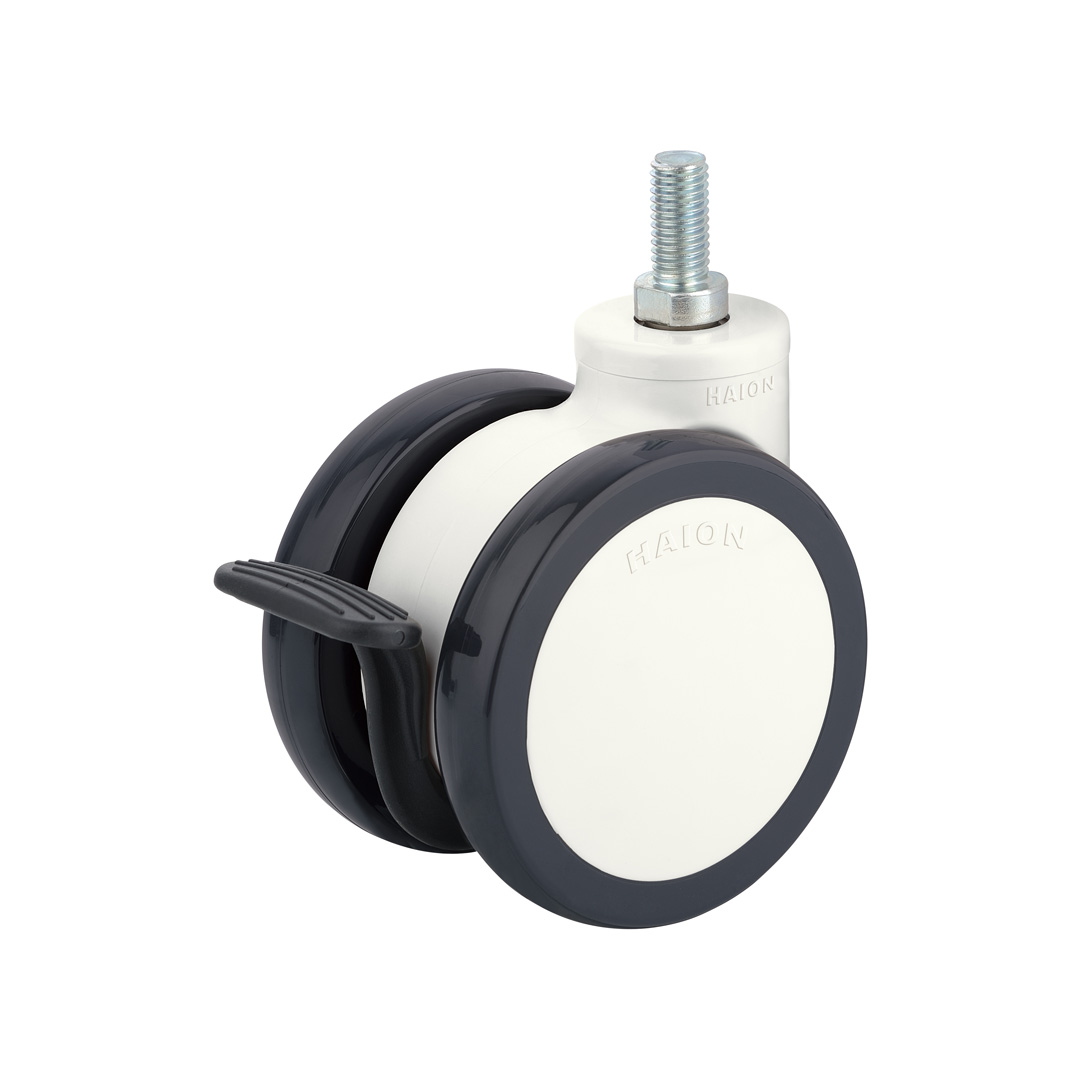
Compares the application priorities and environmental requirements of medical and industrial caster categories.

Distinguishes conductive and antistatic functions and the need for a defined equipment-level electrical path.
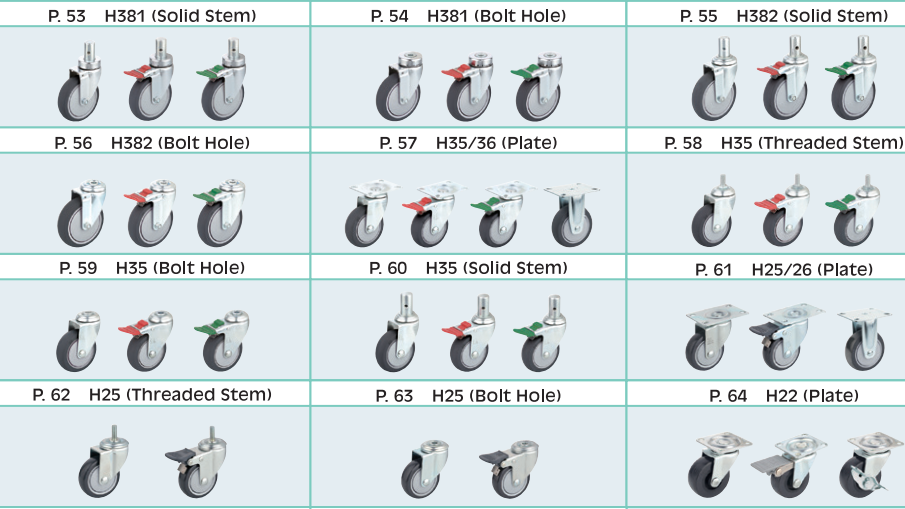
Explains basic caster components, common types and representative equipment applications.
Configuration, controls, motors, batteries, torque, runtime and system safety.
Explains how one powered-assist unit can work with conventional support casters in a material-handling cart layout.
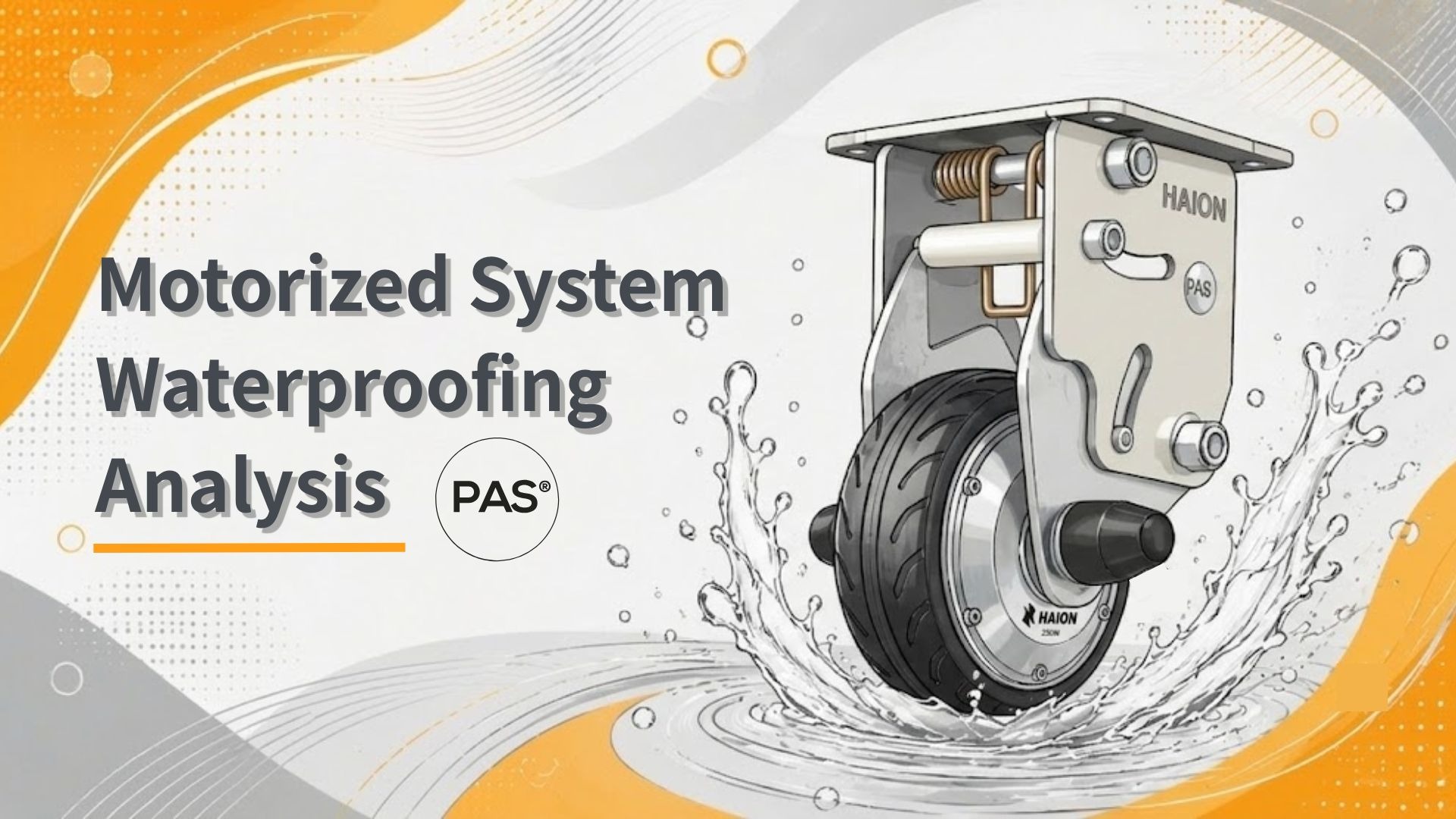
Introduces splash exposure as a defined system requirement that must be checked against the selected PAS configuration.
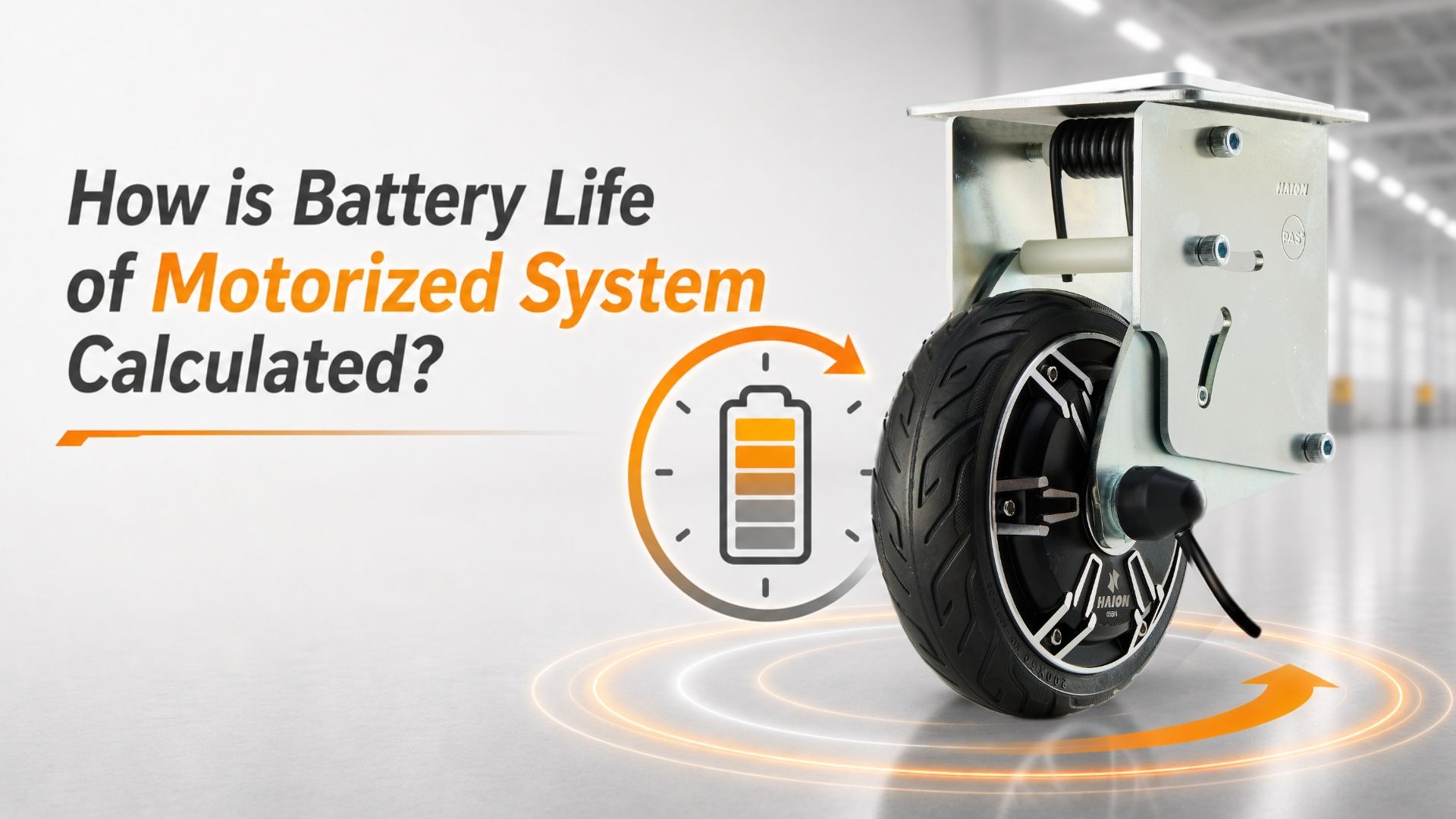
Frames runtime as a result of battery energy, load, slopes, operating pattern and total system demand.
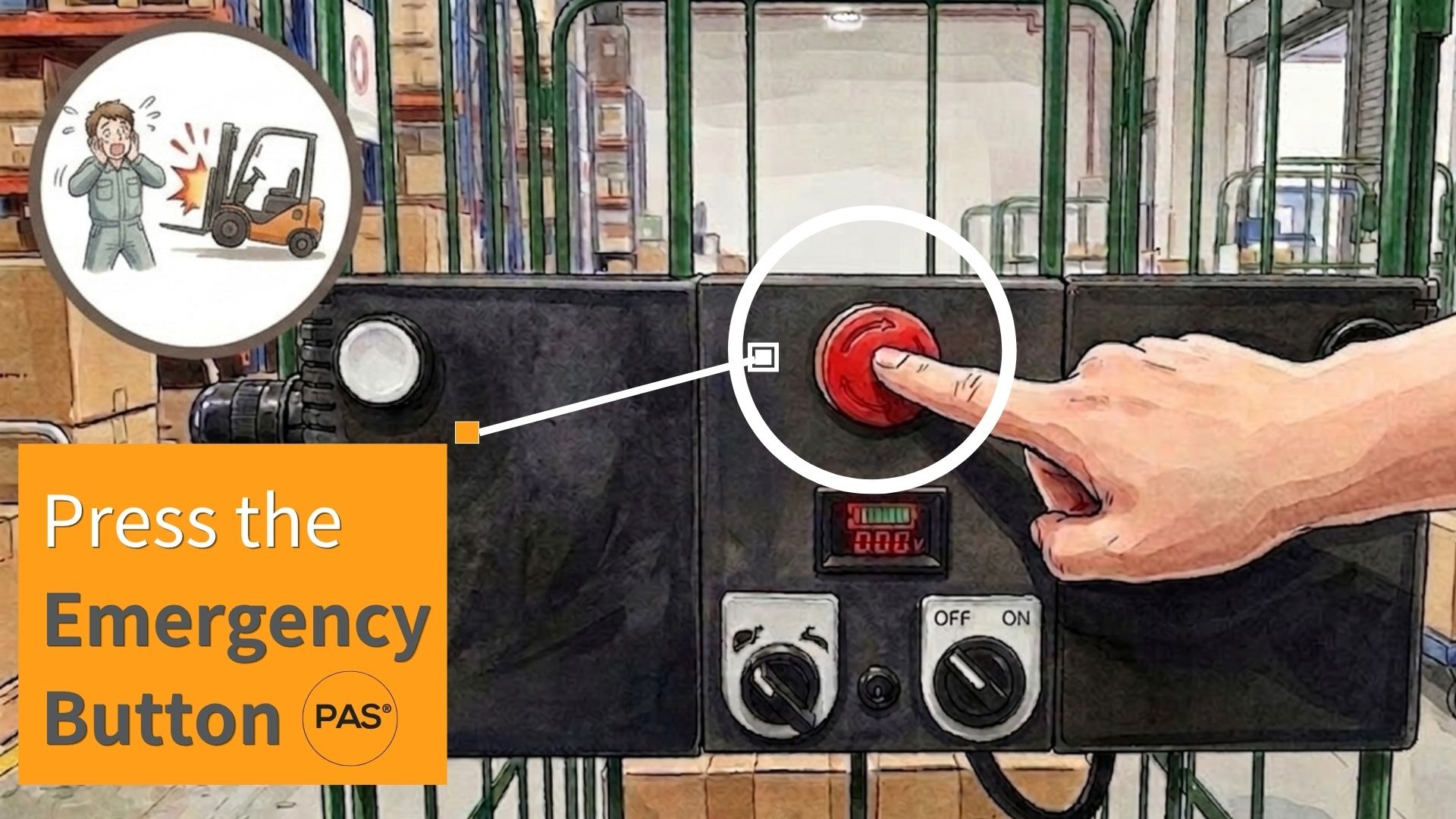
Positions emergency stopping as part of the complete powered-assist control and safety architecture.
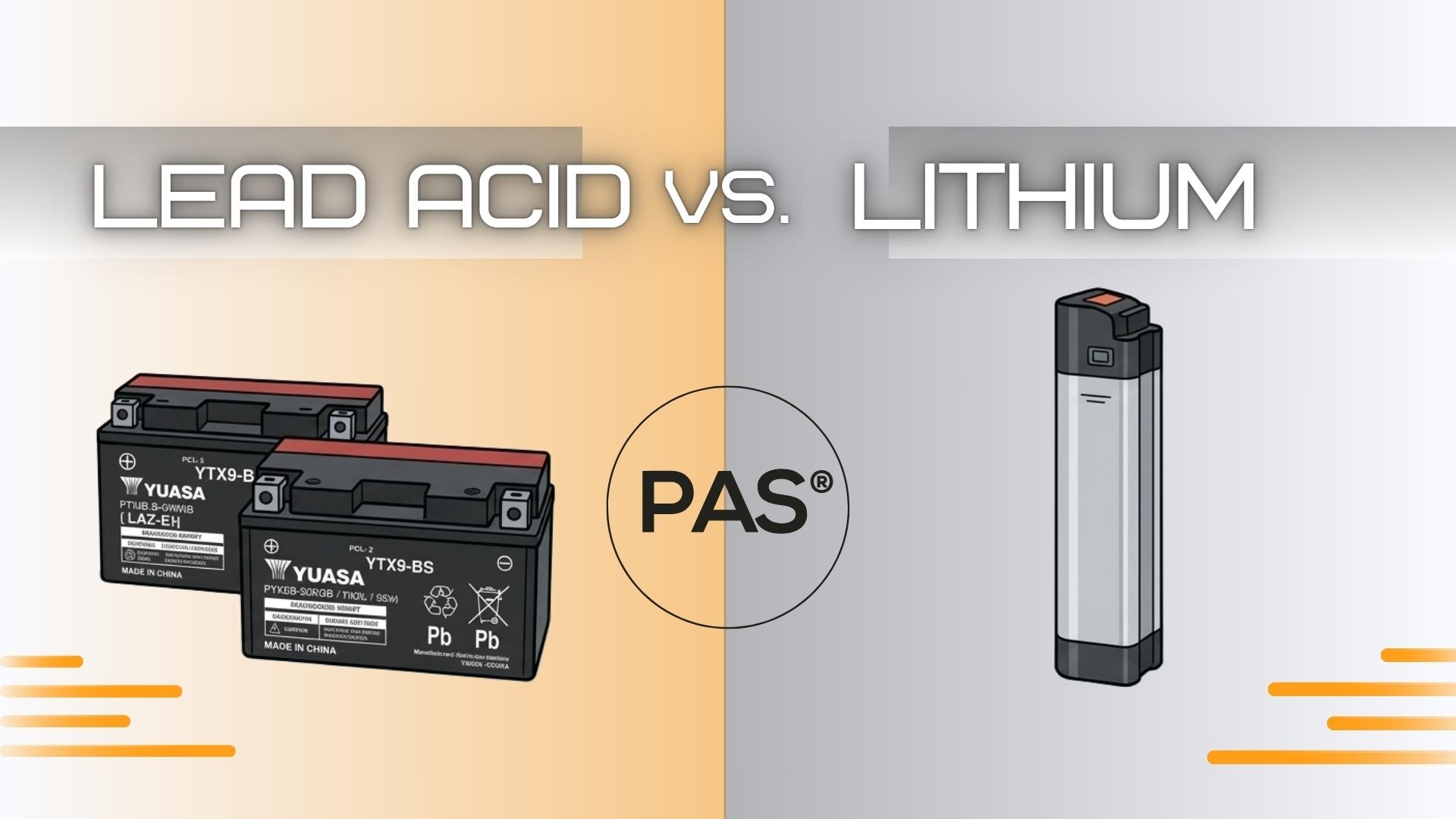
Compares battery-system tradeoffs including maintenance, energy, packaging and application duty.
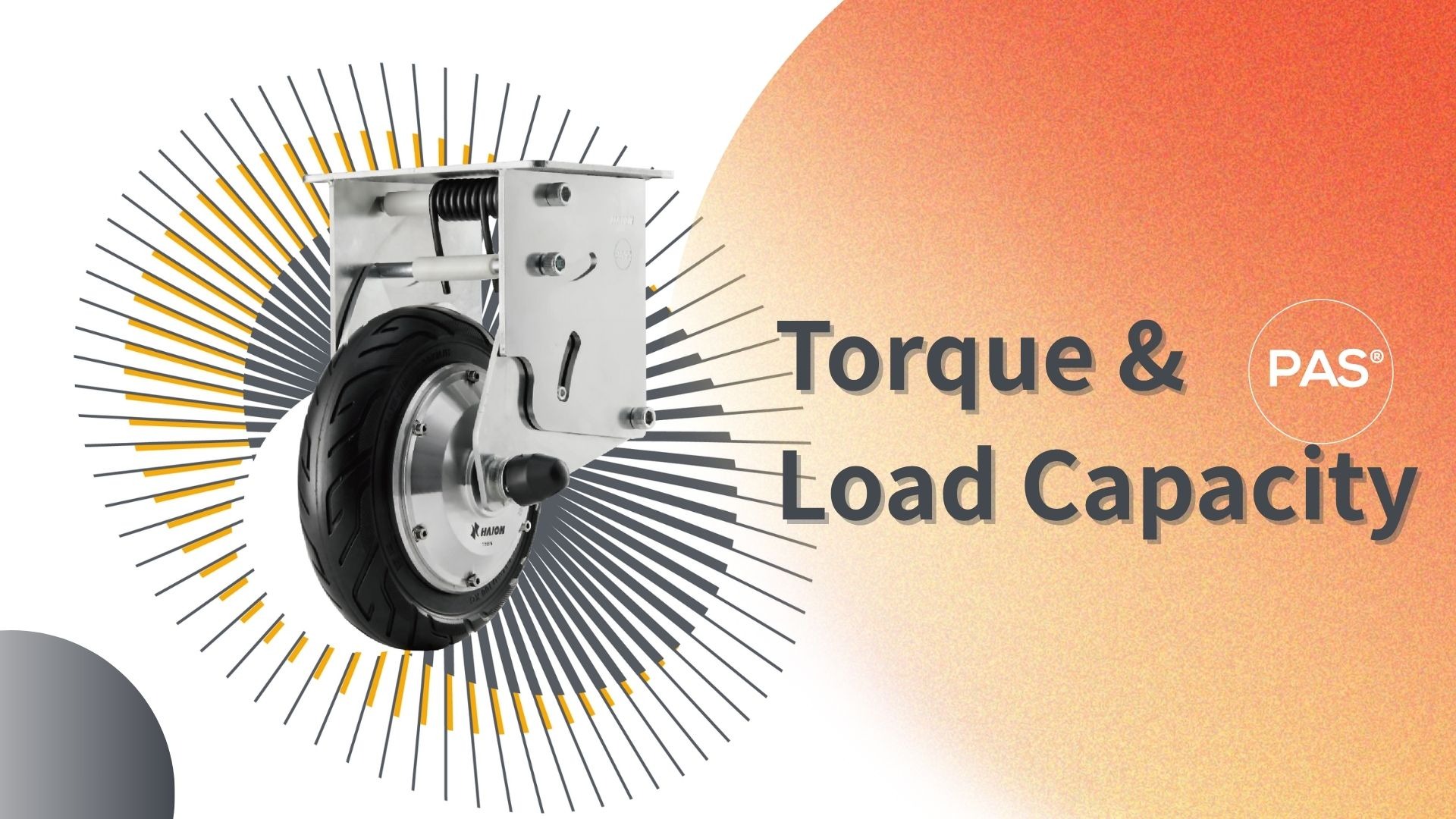
Separates equipment mass from wheel torque and route-force requirements in powered-assist selection.
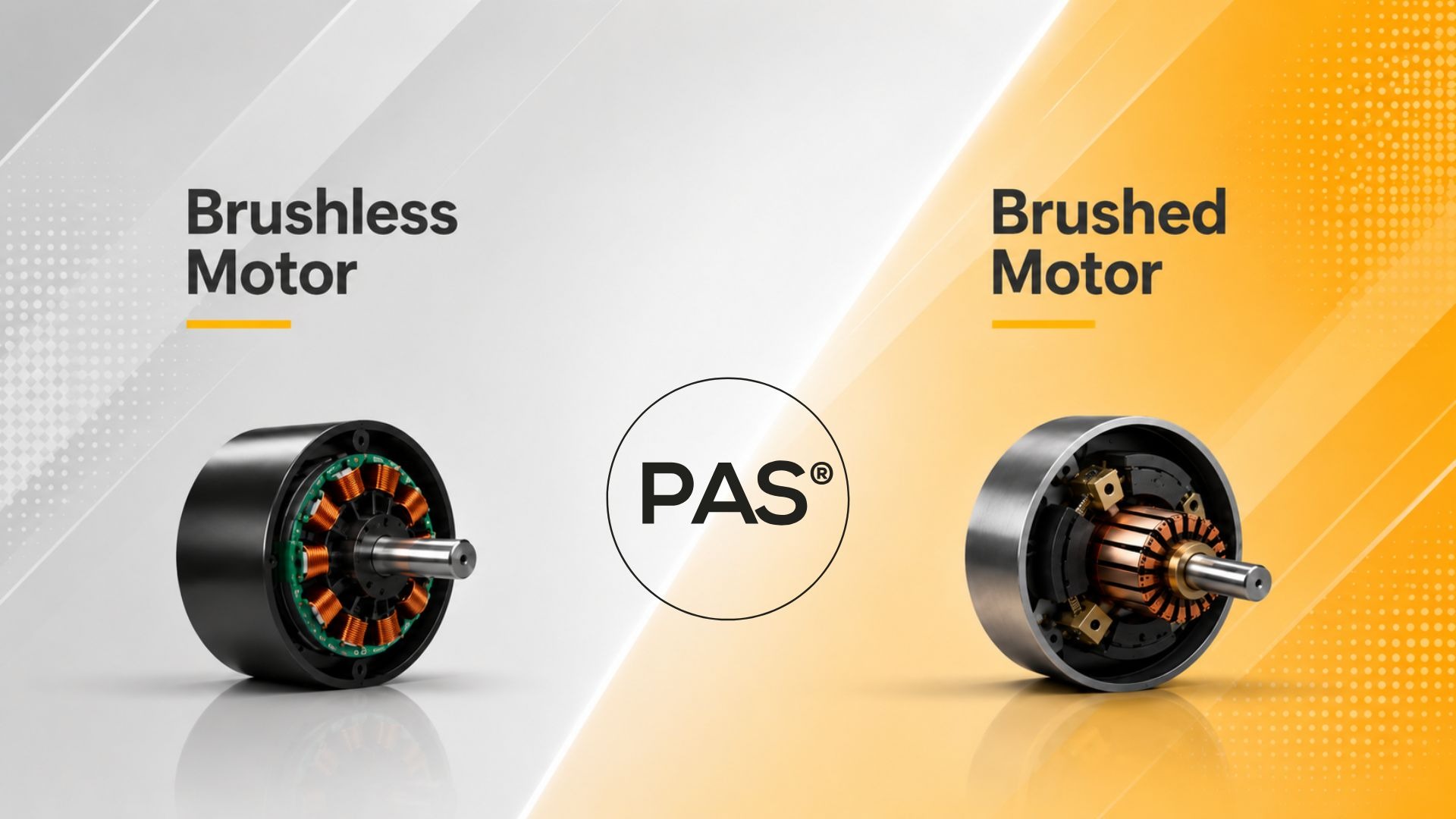
Compares motor architecture, wear points, control and maintenance considerations for powered systems.
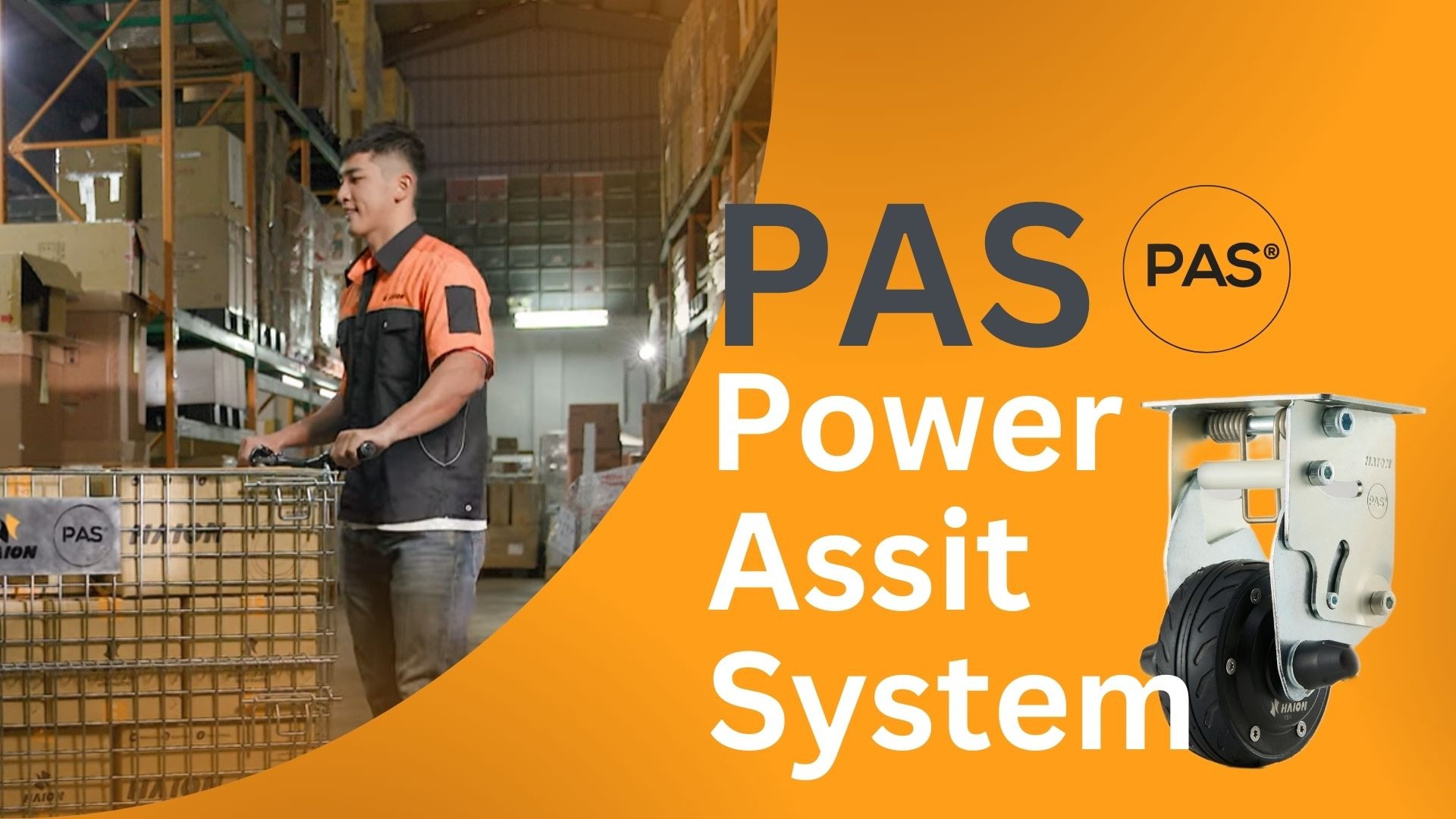
Introduces operator-guided propulsion as a way to reduce manual transport effort without replacing the operator.
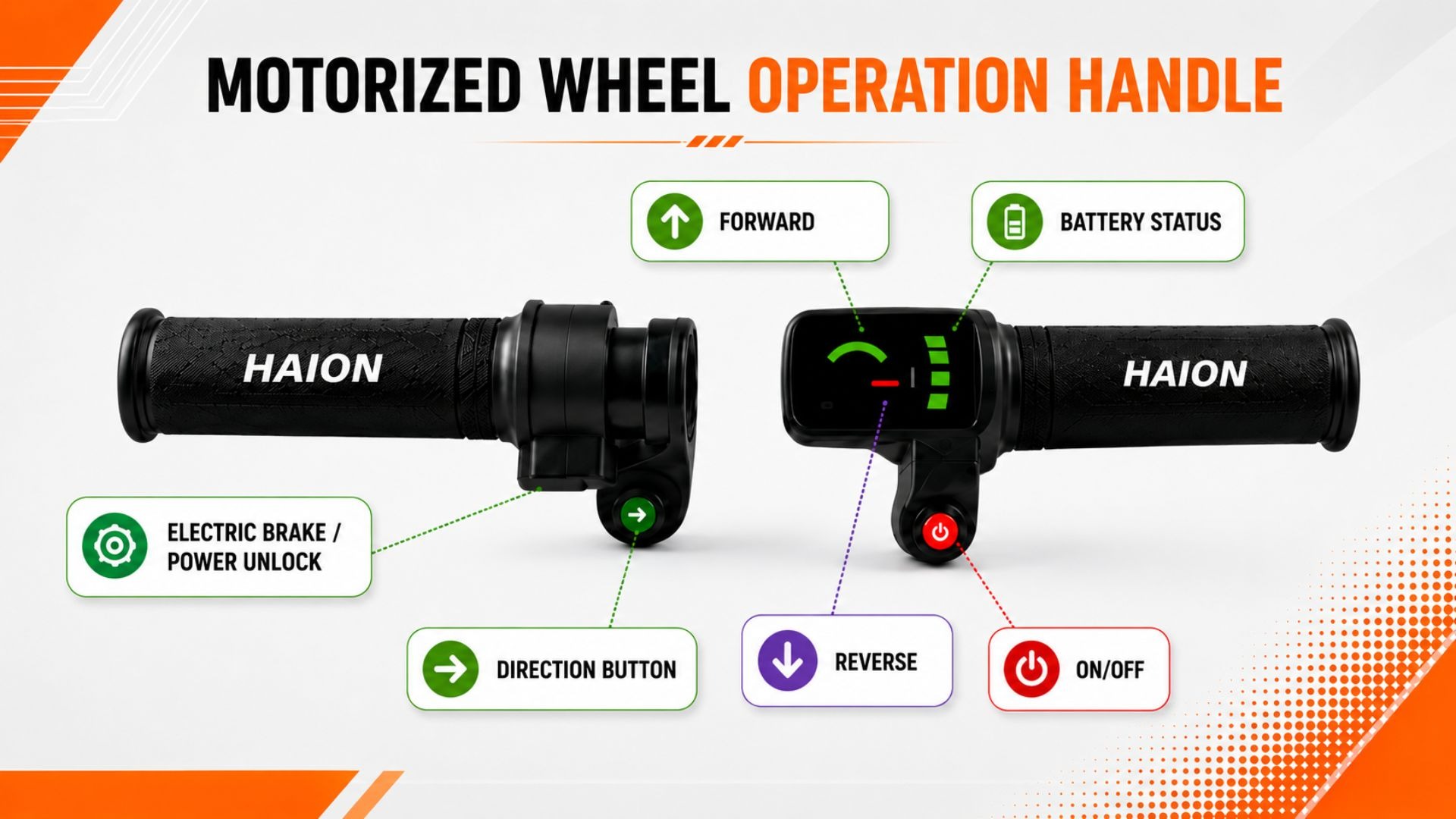
Treats the operation handle as the human–machine interface for direction and assist requests.
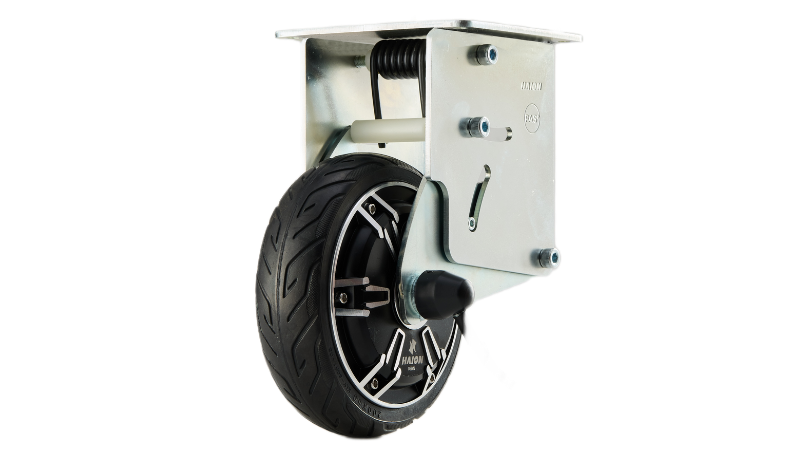
Compares fixed, manually adjustable and powered lifting arrangements for PAS integration.
Materials, braking, installation, working load and regional safety frameworks.
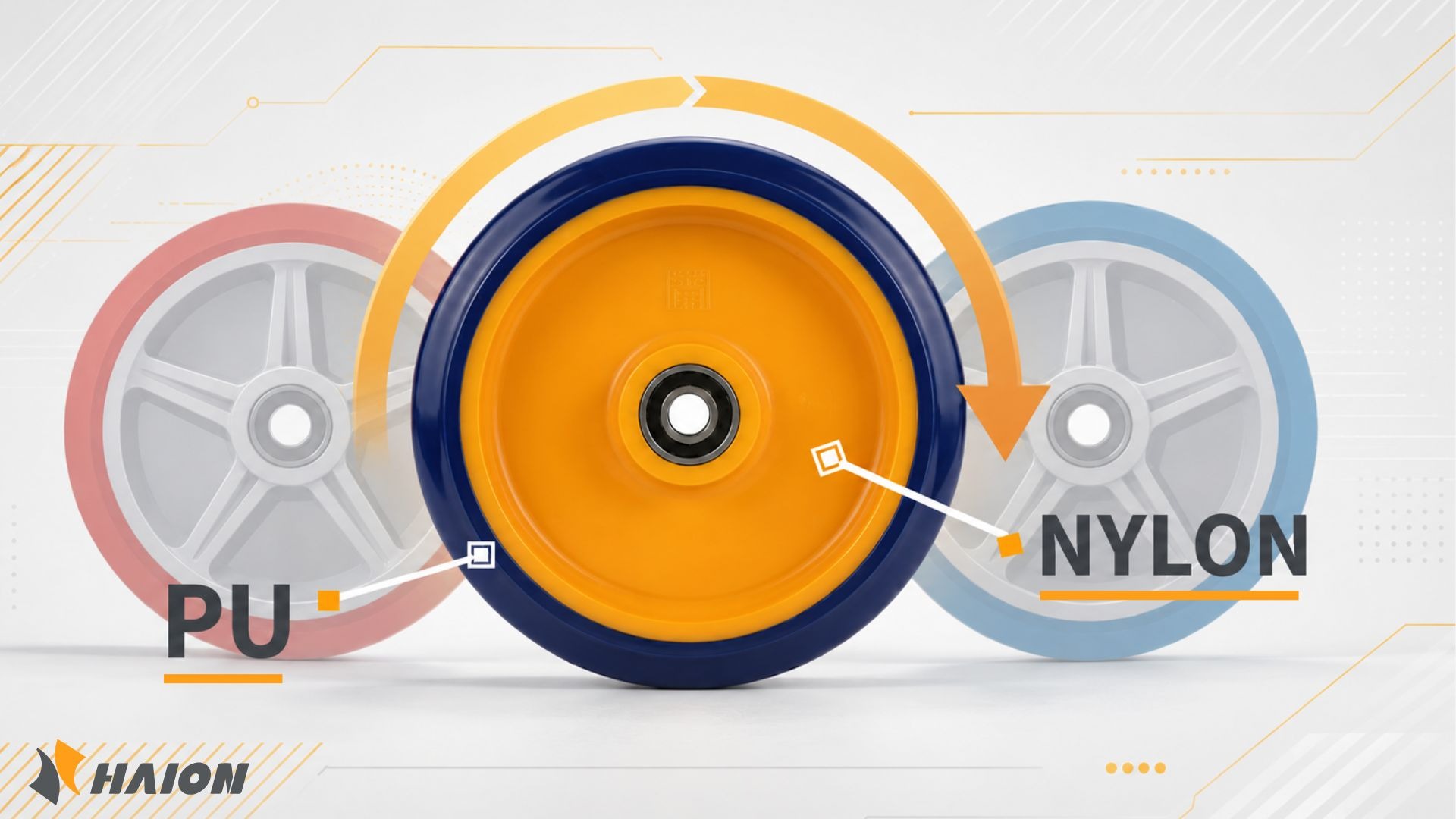
Reviews how tread and wheel-core combinations influence scaffold caster behavior and selection.
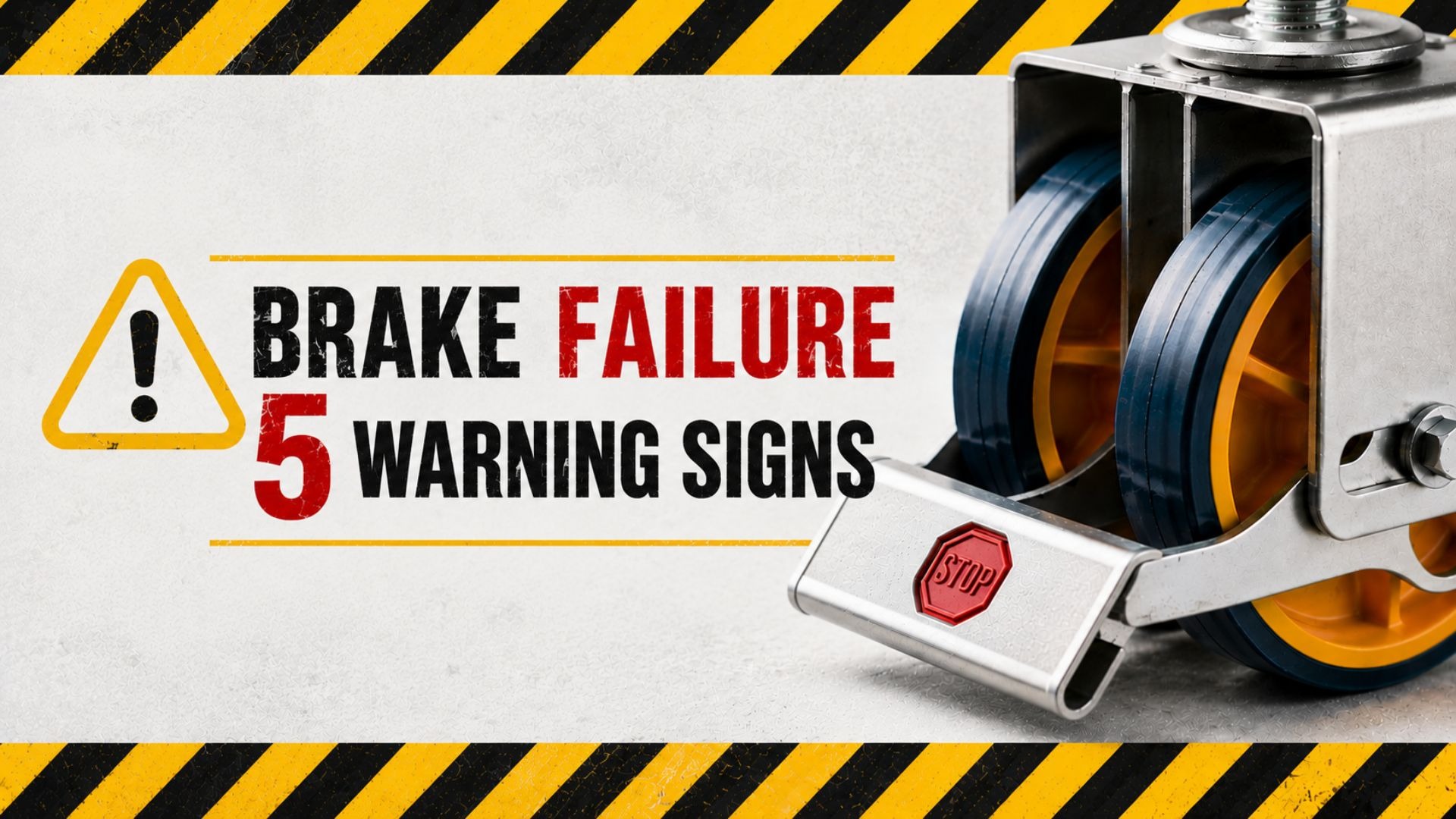
Identifies observable conditions that should trigger inspection of a scaffold caster braking system.
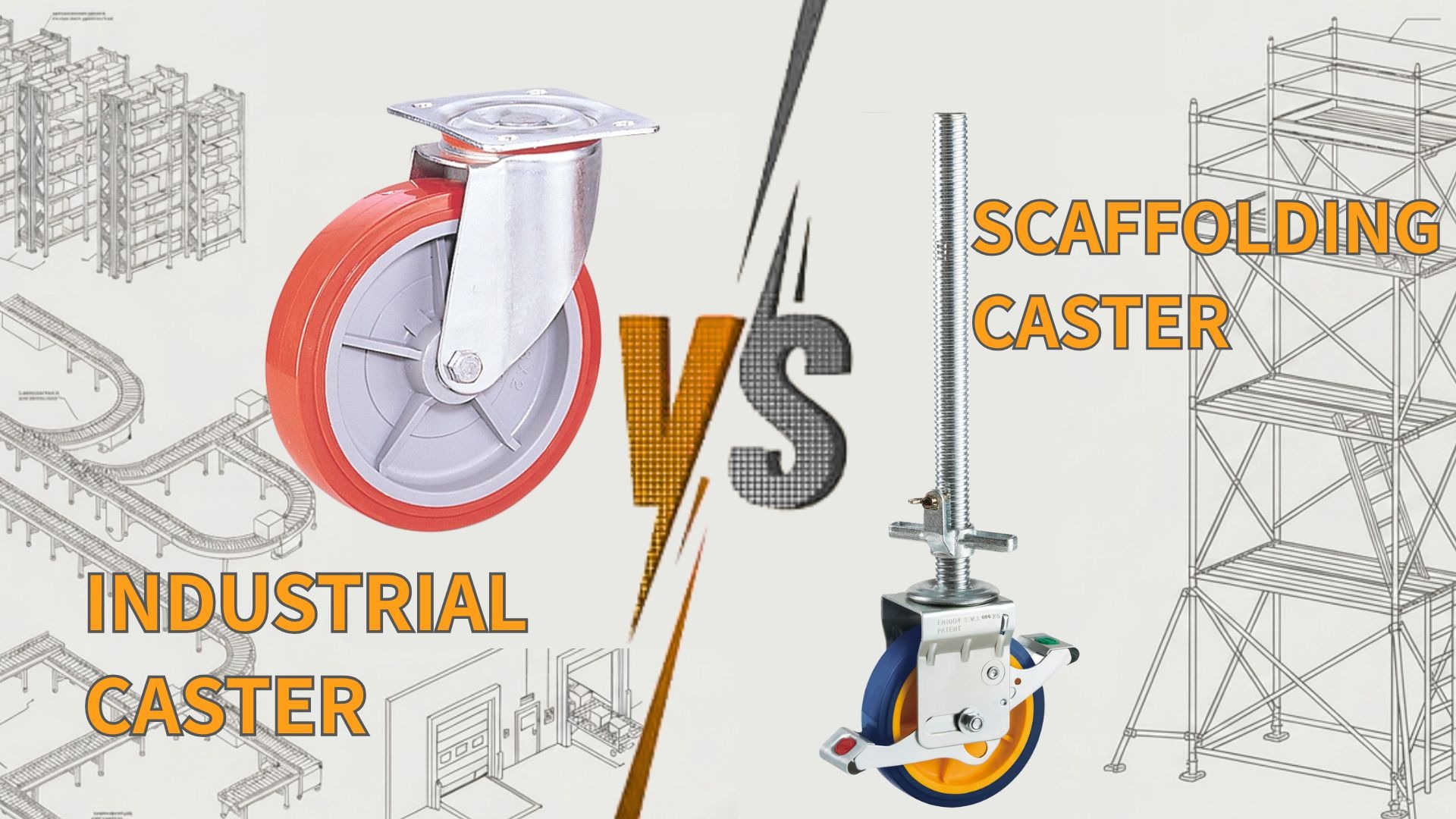
Explains why scaffold and general industrial caster categories should not be treated as interchangeable.
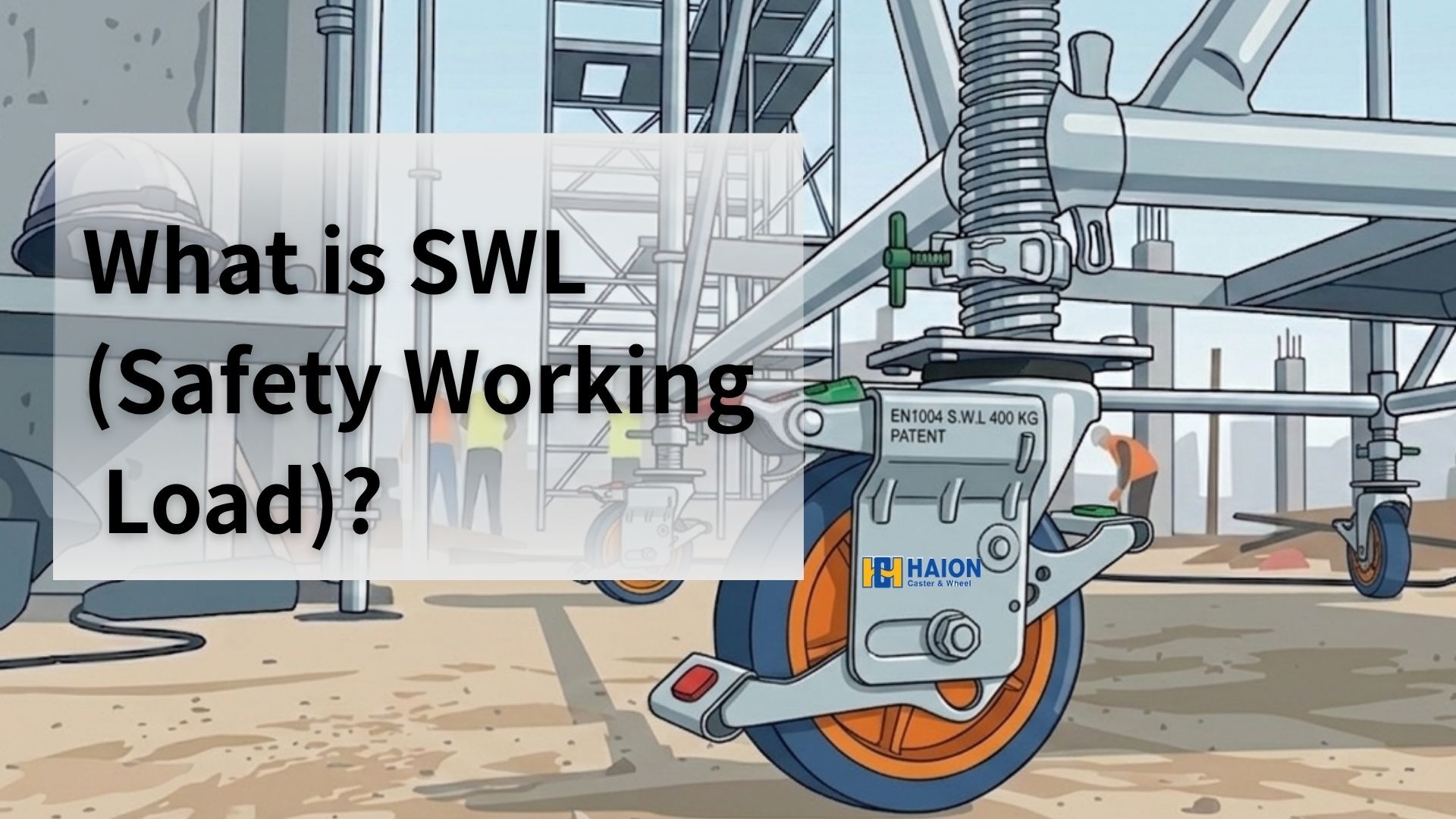
Discusses working load, dynamic use and safety-factor thinking for mobile scaffolding.
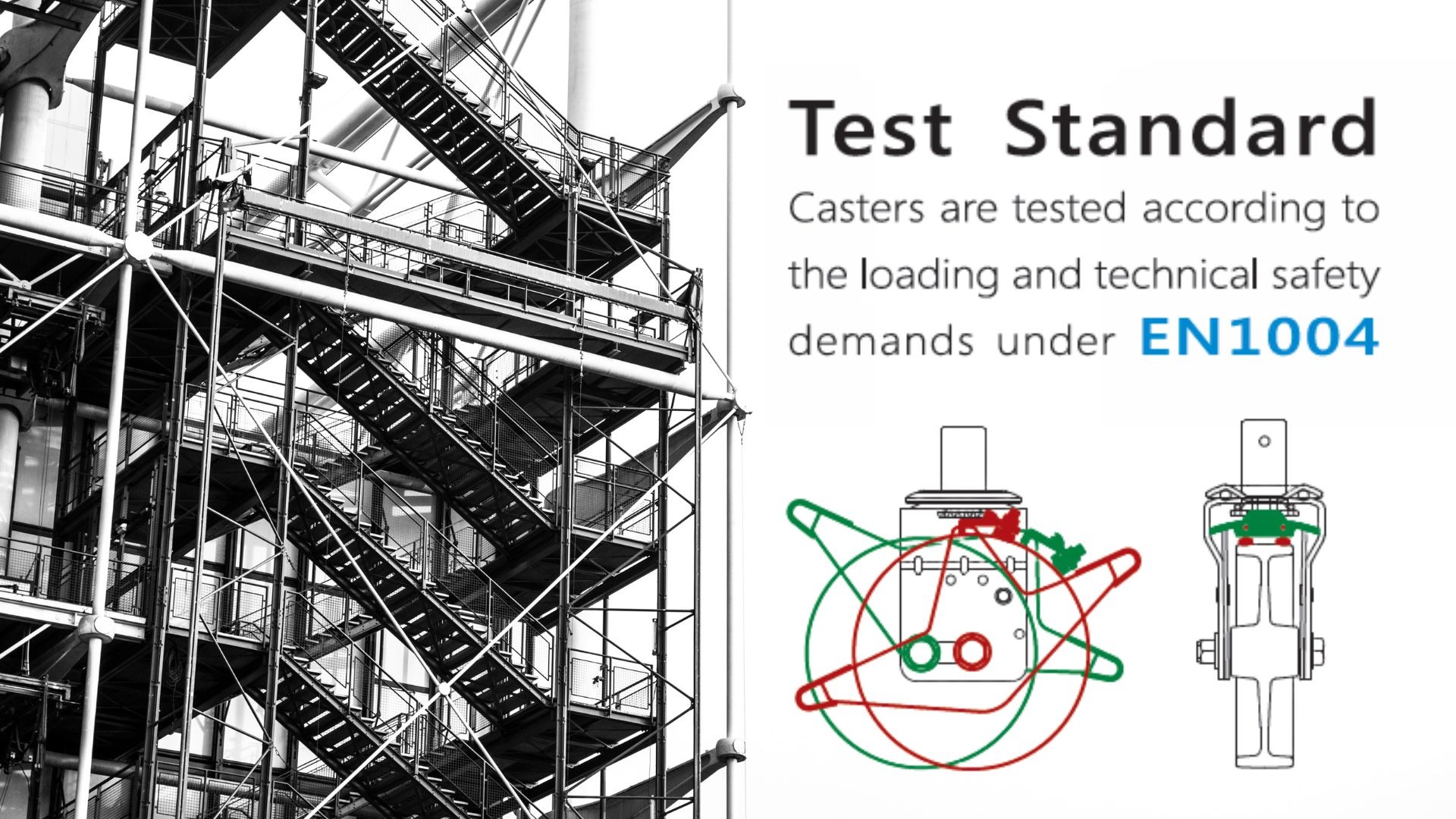
Provides a high-level introduction to mobile access tower safety questions without replacing the controlled standard.
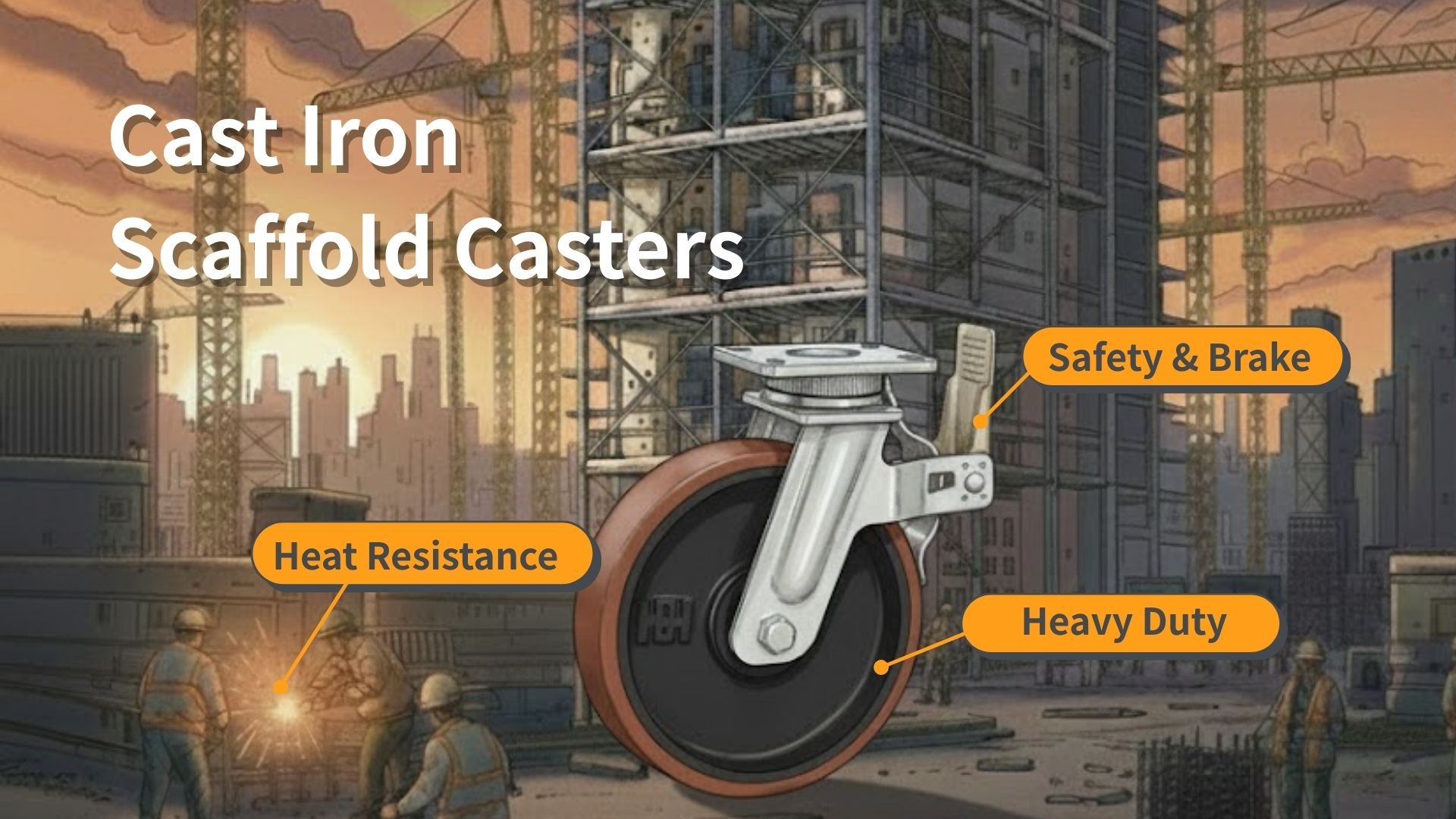
Introduces cast-iron wheels for high-load and high-temperature scaffold applications.
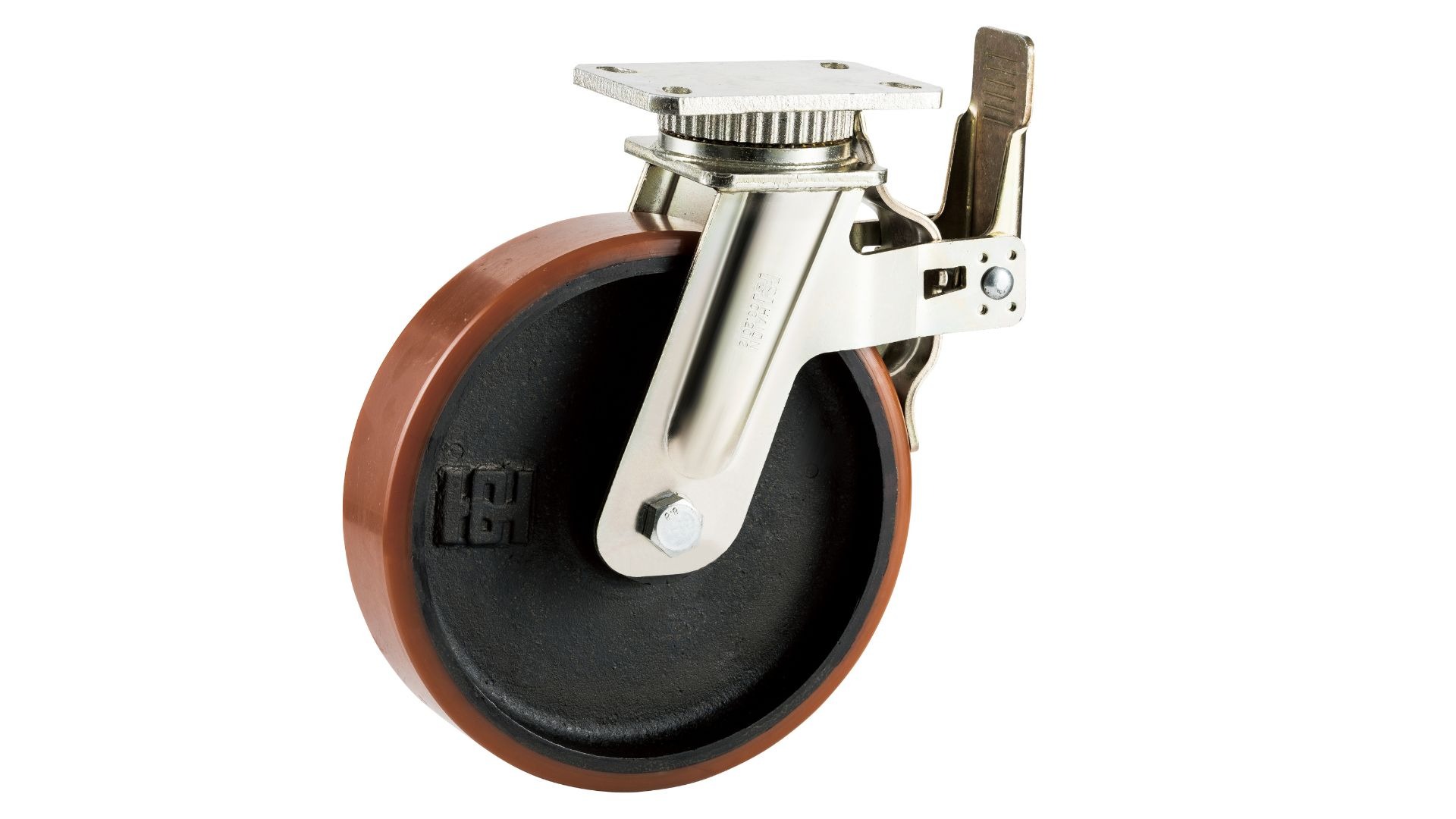
Explains why load capacity is only one part of scaffold wheel safety and equipment stability.
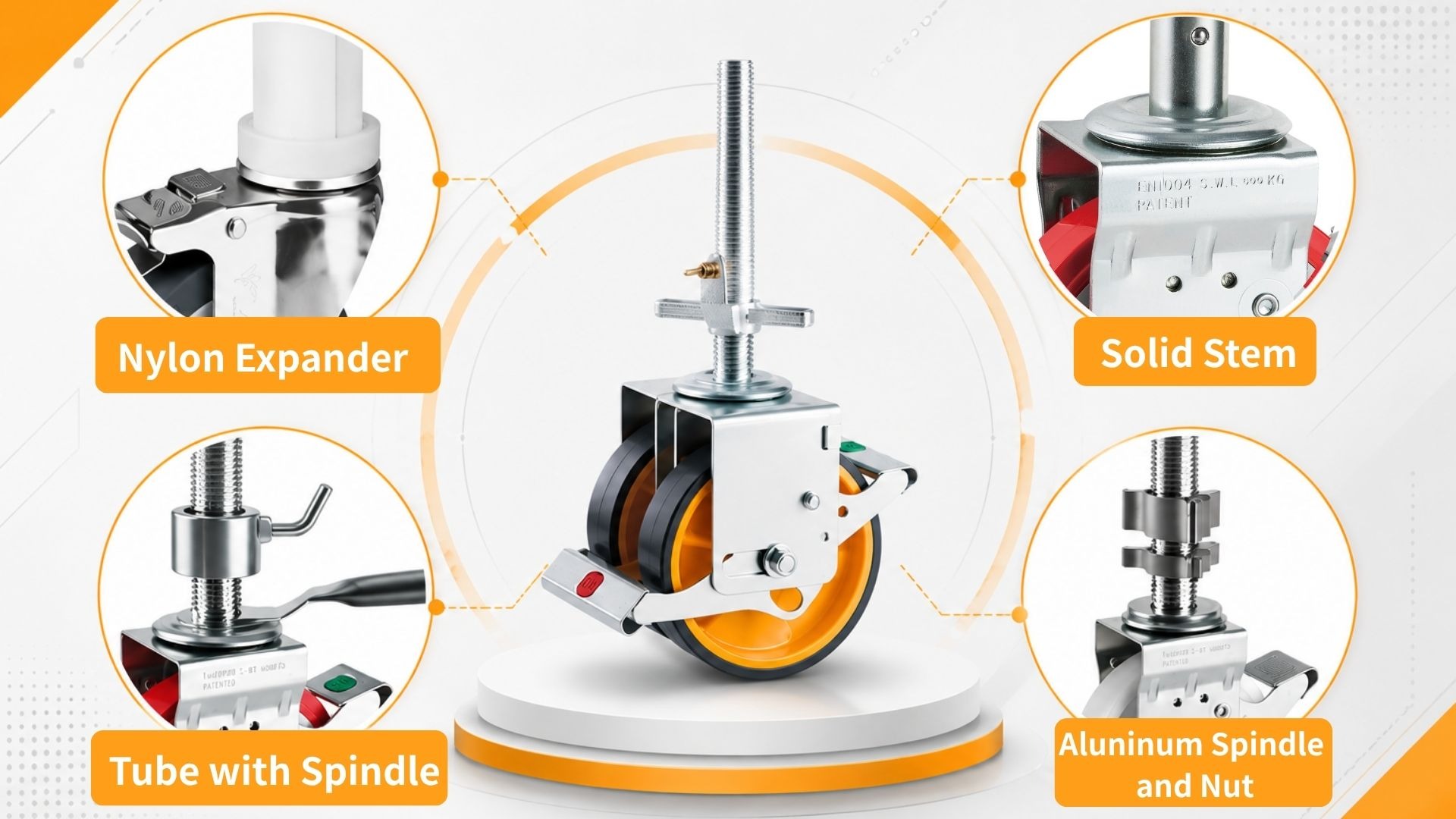
Outlines installation questions that affect mobile scaffold stability and safe use.
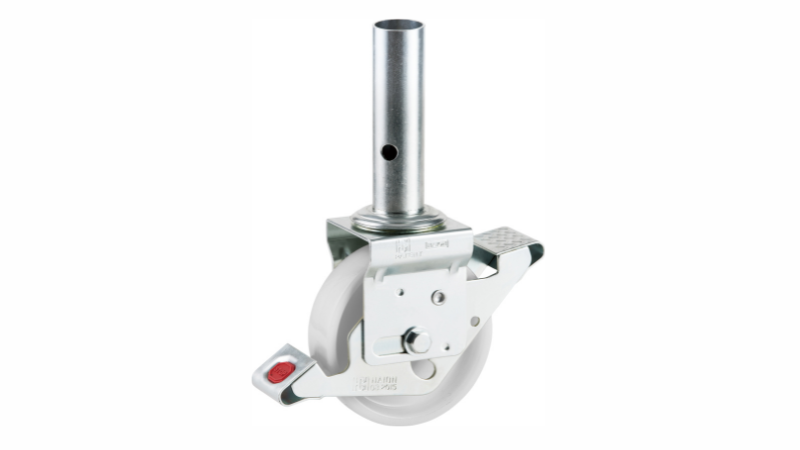
Introduces structural and specification differences between common regional scaffold caster approaches.
Bearings, materials, corrosion, duty level and general caster fundamentals.
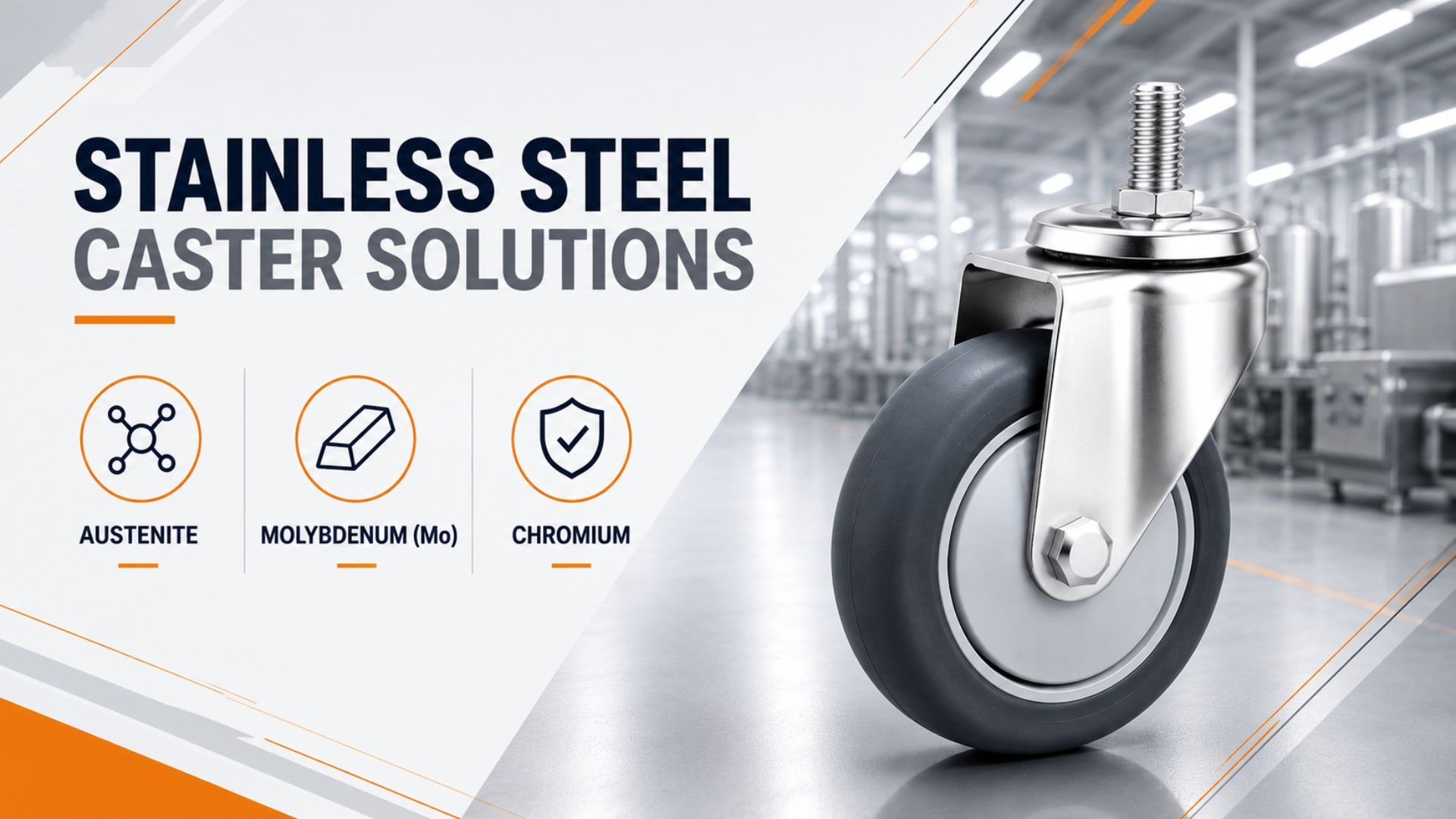
Reviews corrosion exposure and material-selection questions for industrial caster housings and wheels.
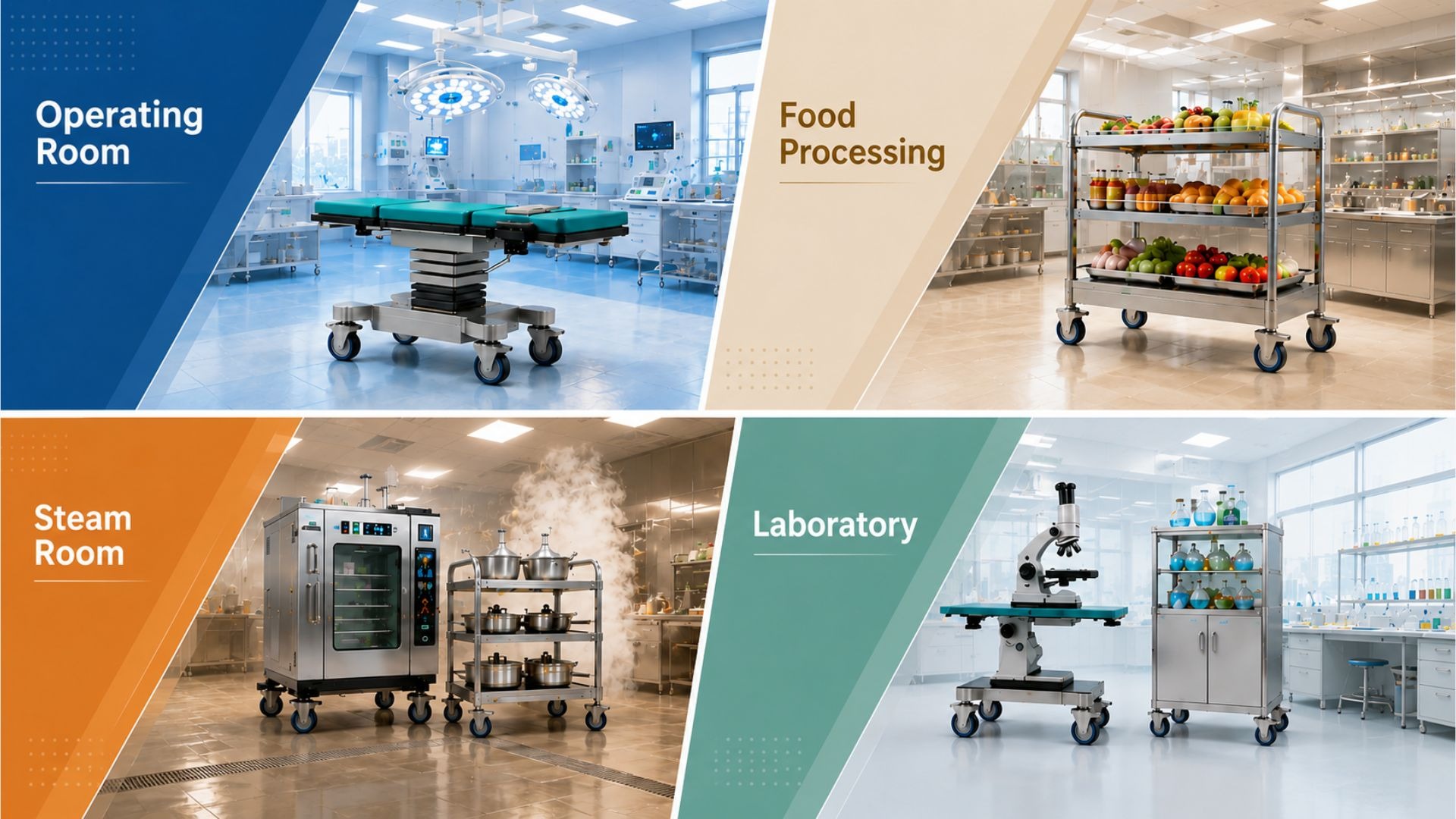
Reviews corrosion resistance for humid, washdown and oxidation-prone operating environments.
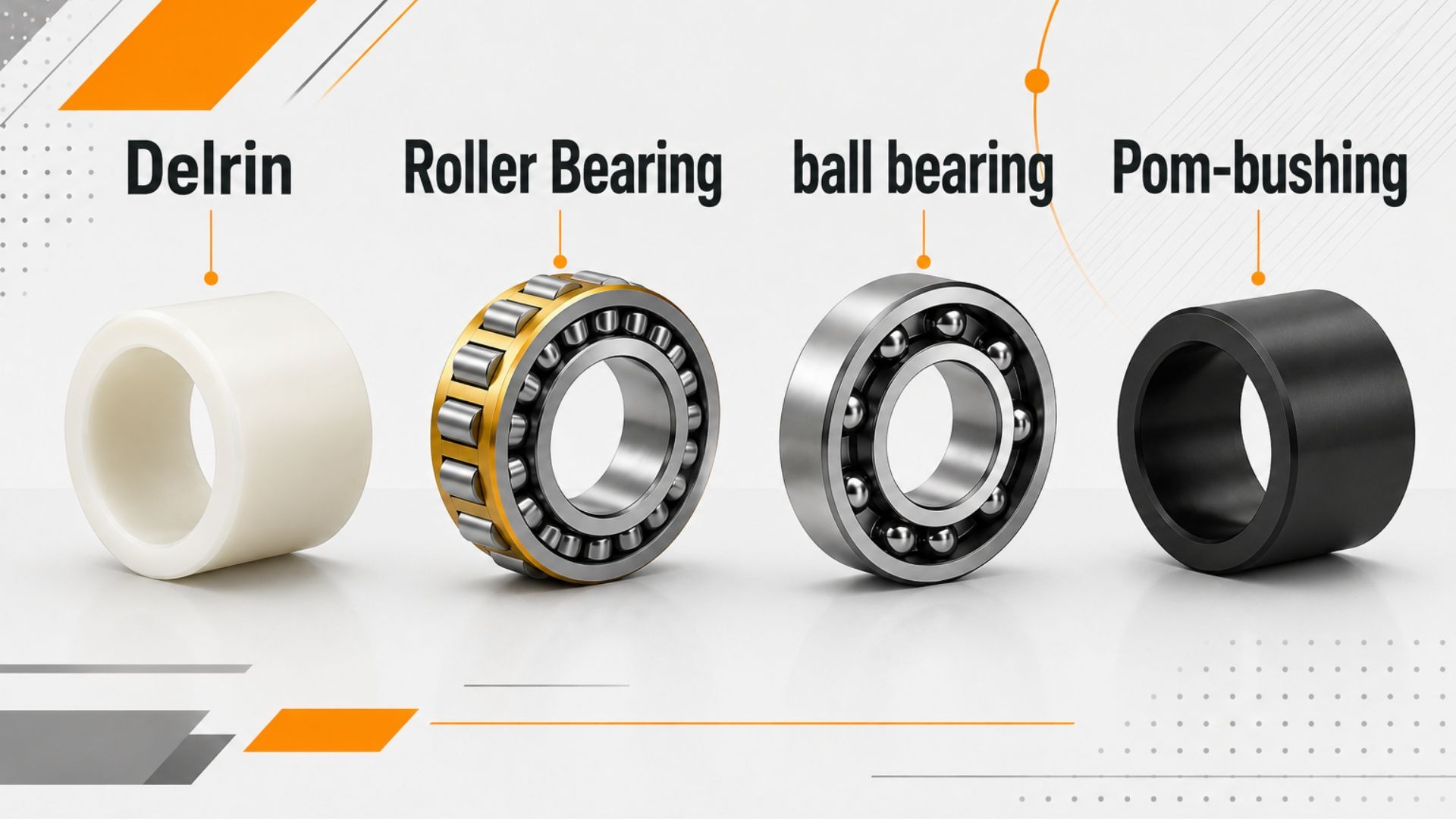
Explains how bearing selection affects rolling behavior, load response and maintenance.
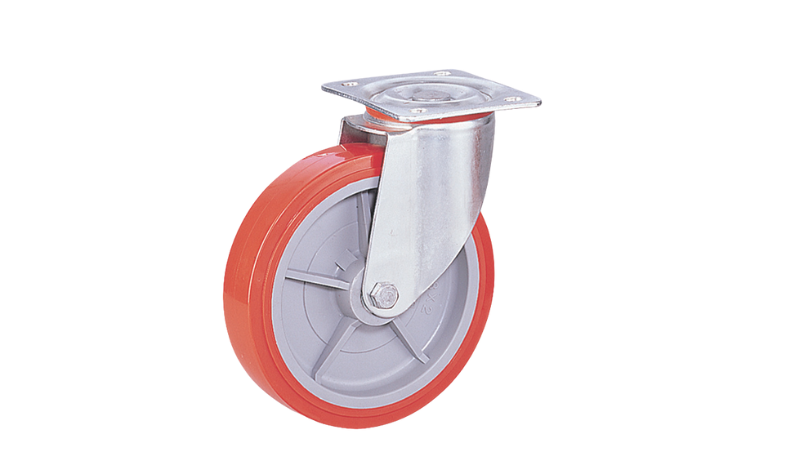
Organizes industrial caster selection around duty, material, equipment and route requirements.
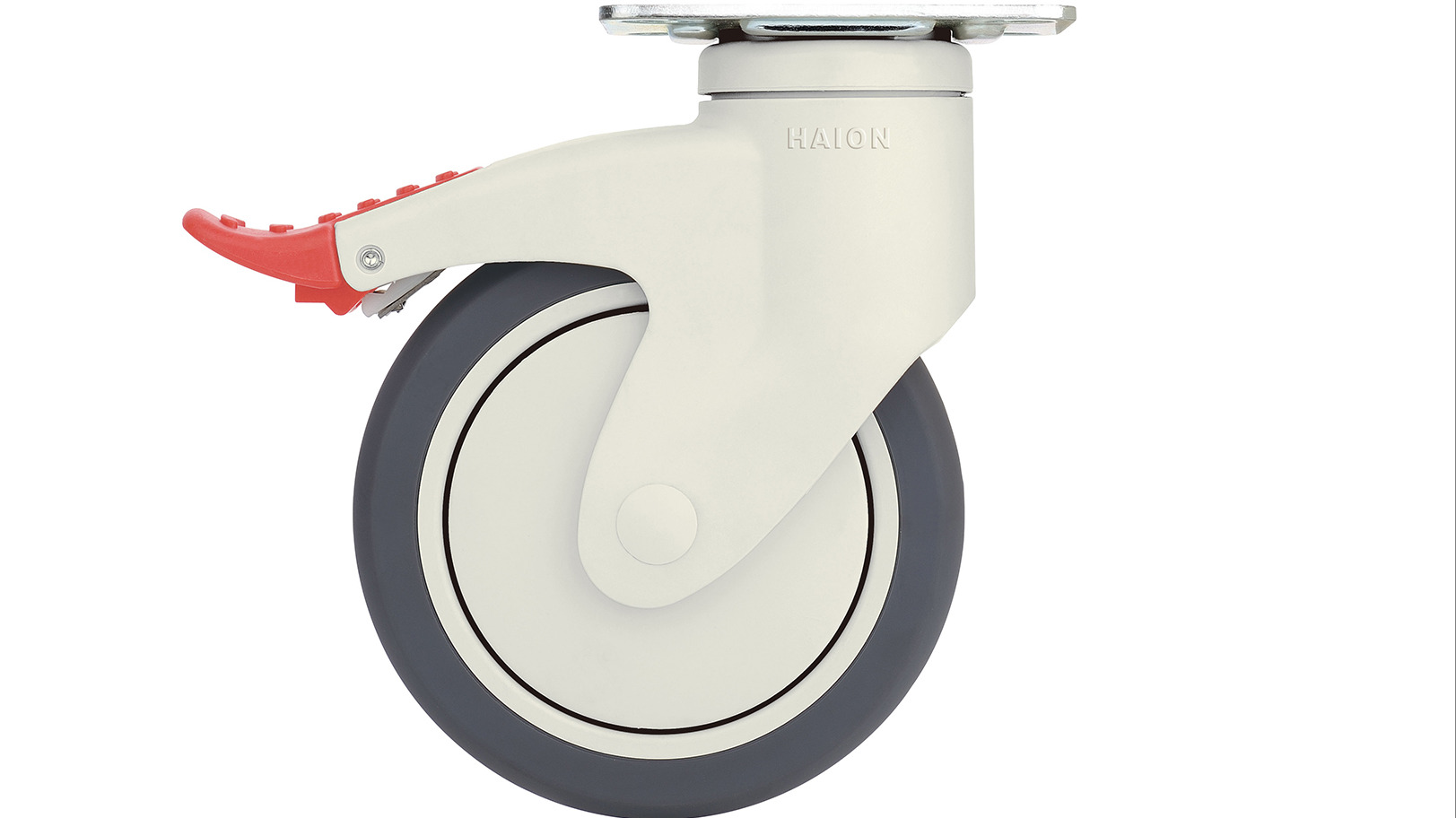
Provides a basic introduction to caster motion, swiveling and common equipment uses.
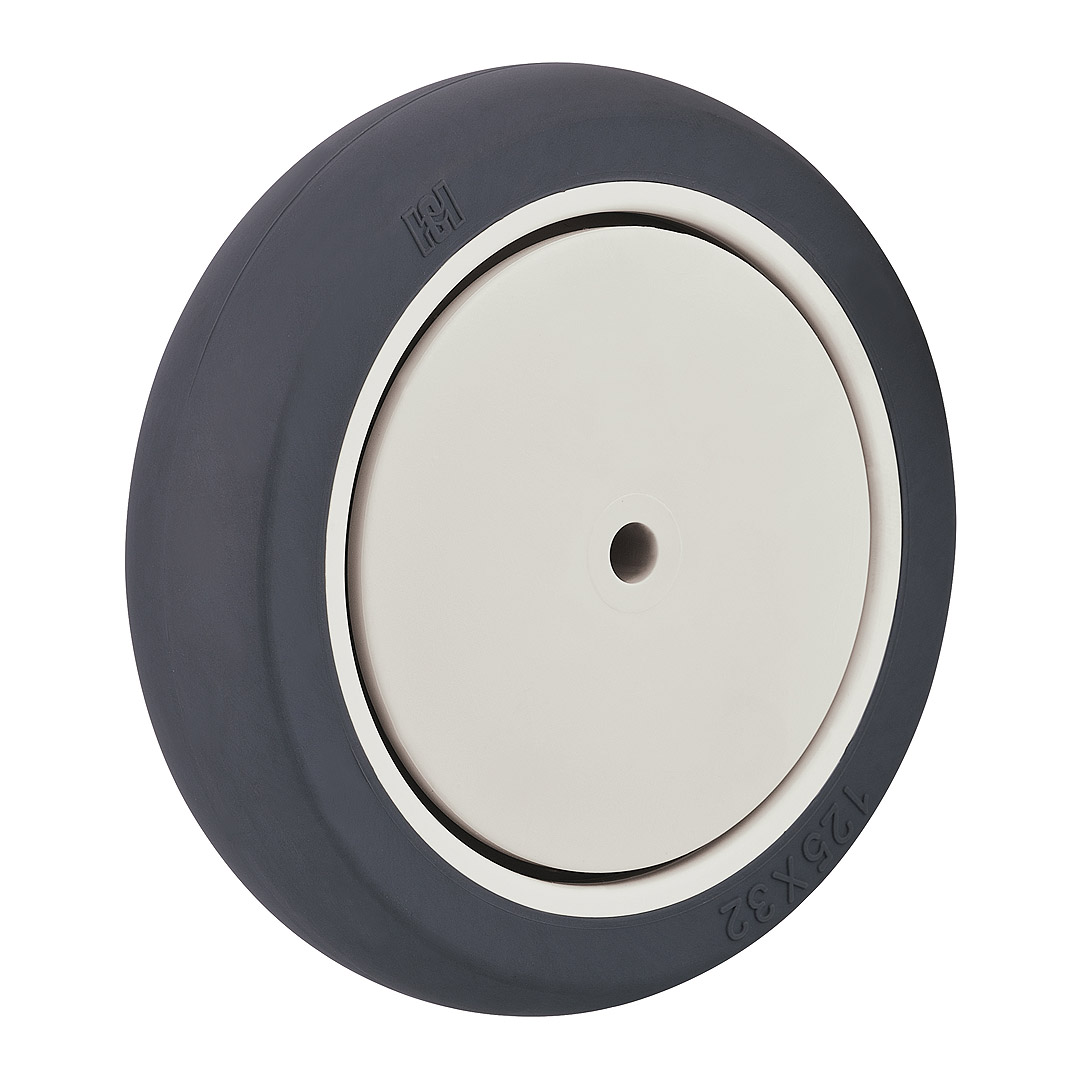
Introduces thermoplastic rubber behavior, including flexibility, vibration response and common application questions.
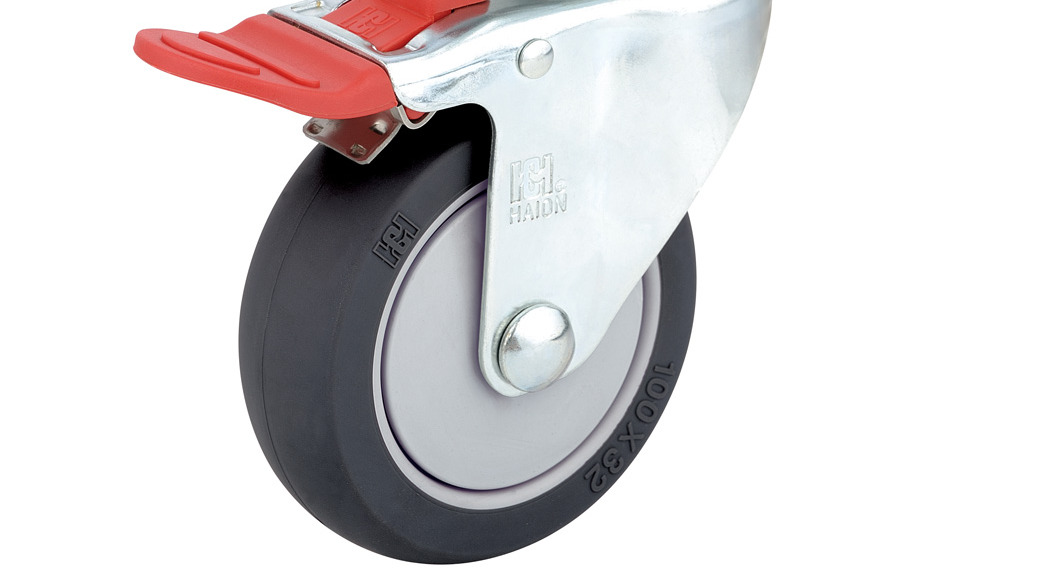
Reviews polyurethane-family material characteristics and the variables that influence real wheel performance.
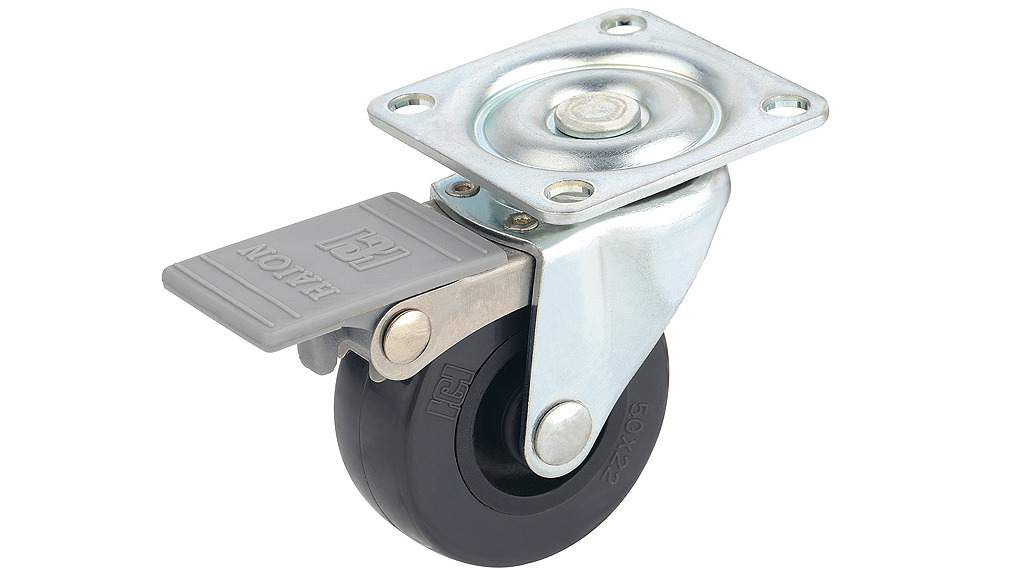
Introduces polypropylene wheels as a material option and identifies the conditions that still require verification.
Source boundary
Titles, dates, categories and source links follow the official HAION listing. Summaries are reorganized for this engineering knowledge center. Product-specific numerical claims remain outside this page until owner approval.
Verify the official article list ↗